
Dental Anxiety Management Through Technology and Virtual Reality: A New Era of Calm
5 min read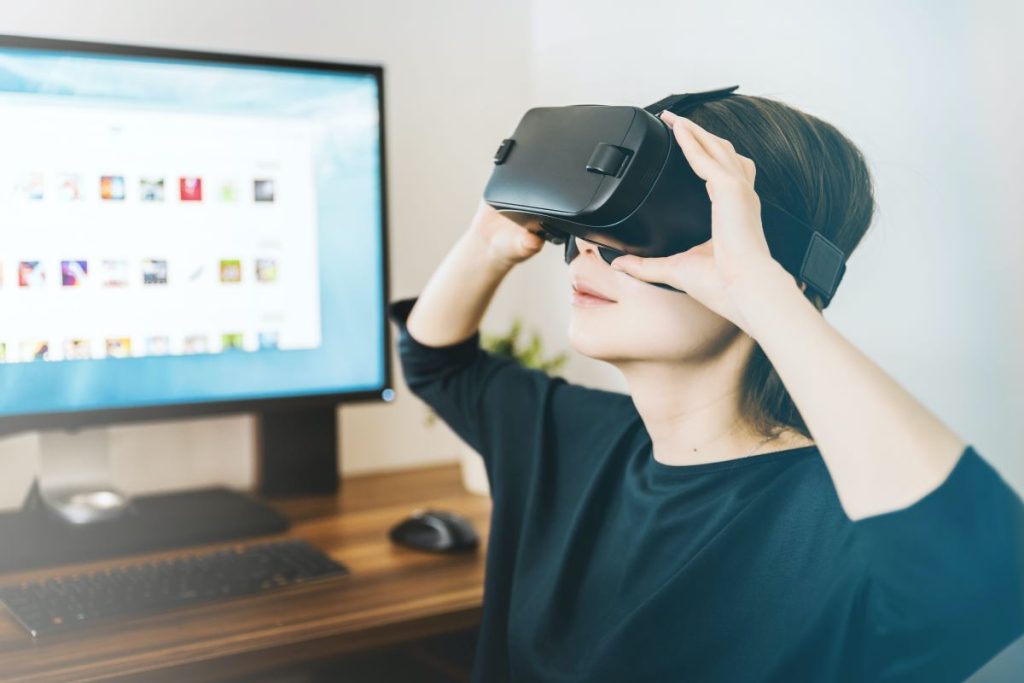
Let’s be honest. For a lot of people, the mere thought of a dental visit sends a shiver down the spine. The sound of the drill, the clinical smell, that feeling of being trapped in the chair—it’s a perfect storm for anxiety. Honestly, it’s a real thing, and it keeps millions from getting the care they need.
But here’s the deal: the waiting room magazine and a ceiling tile to stare at are officially outdated. We’re entering a new era where technology, especially virtual reality (VR), is stepping in to rewrite the entire experience. It’s not just about distraction anymore; it’s about genuine management of dental fear.
Why Is Dental Anxiety So Stubborn, Anyway?
First, let’s understand the beast. Dental anxiety isn’t a simple case of nerves. For many, it’s a deep-seated fear often rooted in past traumatic experiences, a sense of helplessness, or even just the anticipation of pain. The brain goes into a kind of high-alert mode. And that’s where traditional methods often fall short.
Telling someone to “just relax” is, well, pointless. We need to engage the brain differently. To redirect its focus so completely that the stressful signals from the dental environment simply don’t register as strongly. That’s the magic trick. And technology is the magician.
Virtual Reality: Your Brain’s Portable Escape Hatch
Imagine this. Instead of staring at the suction tube, you’re floating in a serene lagoon, listening to gentle waves. Or you’re taking a leisurely walk through a sun-dappled forest. That’s the power of virtual reality for dental procedures. It’s immersive. It’s engaging. And it’s incredibly effective.
VR works by leveraging a concept called “immersive distraction.” The headset covers your eyes and ears, feeding your brain an entirely new set of sensory inputs. It’s not a mild distraction—it’s a full-scale cognitive takeover. Your brain’s processing power gets dedicated to the virtual world, leaving fewer resources to process anxiety signals.
Beyond Scenery: The Interactive Edge
The latest VR dental anxiety solutions go beyond passive videos. Some systems are interactive. You might play a simple, calming game controlled by your breath or gaze. This biofeedback element is key. It gives you a sense of control—something profoundly lacking in the dental chair—and can actually lower physiological stress responses. You’re not just watching peace; you’re actively participating in creating it.
Other Tech Tools in the Anti-Anxiety Arsenal
VR might be the flashy newcomer, but it’s part of a broader tech toolkit transforming pain and anxiety management in dentistry.
- Noise-Cancelling, Entertaining Headphones: A simpler, more accessible step. Paired with a favorite podcast or playlist, they drown out the triggering auditory cues (we all know the one) and provide a personal audio sanctuary.
- Digital Sedation and Patient-Controlled Analgesia: Advanced systems allow for precise, computer-controlled delivery of sedatives. Even the concept of having a “button” to press for a bit more relief can dramatically reduce anxiety. It hands the power back.
- Tele-dentistry Consultations: The anxiety often starts days before the appointment. A preliminary video chat with the dentist from the safety of your couch builds familiarity and trust, demystifying the process before you even walk in the door.
- 3D Imaging and Intraoral Scanners: Goodbye to uncomfortable, gag-inducing impression trays. A quick, silent digital scan is not only more comfortable but feels futuristic and less invasive. It frames the practice as high-tech and patient-centric.
What This Means for Patients and Practices
The shift is profound. For patients, it means care becomes accessible. It means showing up for that cleaning you’ve put off for three years. For children, it can set a positive trajectory for a lifetime of oral health—no early traumas.
For dental practices, integrating these technologies is a powerful statement. It screams, “We listen. We care about your experience, not just your teeth.” It builds patient loyalty and transforms the practice’s reputation from a place of fear to a place of comfort and innovation.
| Technology | Primary Benefit | Patient Experience |
| Virtual Reality (VR) | Full sensory immersion & cognitive distraction | Transportation to a calming environment; interactive engagement |
| Noise-Cancelling Audio | Auditory isolation from dental sounds | Personalized, familiar soundscape; simple control |
| Digital Scanners | Eliminates physical impressions | Faster, more comfortable, feels modern and less invasive |
| Tele-dentistry Pre-Consult | Reduces pre-appointment anxiety | Builds rapport in a safe, familiar setting |
The Human Touch in a High-Tech World
Now, a crucial point. This isn’t about replacing the dentist’s empathy with a gadget. Not at all. The technology is a tool that enables the human connection. When a patient is relaxed—truly relaxed—communication improves. The dentist can explain steps without facing a wall of panic. The entire dynamic shifts from adversary to ally.
The best practices are using VR and other tech as an extension of their chairside manner. It’s the combination that’s unstoppable: cutting-edge anxiety management tools wielded by a compassionate, communicative professional.
Looking Ahead: The Future of Fear-Free Dentistry
So where does this go next? We’re already seeing glimpses. Augmented reality (AR) overlays that turn the ceiling into a calming animation. Haptic feedback in VR that syncs with the dentist’s actions to eliminate surprises. Even AI-driven bio-signal monitoring that adjusts the virtual environment in real-time based on your heart rate.
The goal is a fully personalized anxiety-management protocol. You walk in, your preferences are known, and your path to a calm appointment is seamlessly integrated into your care.
In the end, it comes down to a simple, powerful idea. Dental health is inseparable from mental and emotional comfort. The old model asked patients to endure the experience. The new model—the tech-enabled, human-centered model—is finally designing the experience around the patient’s well-being. And that’s a revolution worth smiling about.