
Dental Care Routines for People with Autoimmune Disorders
7 min read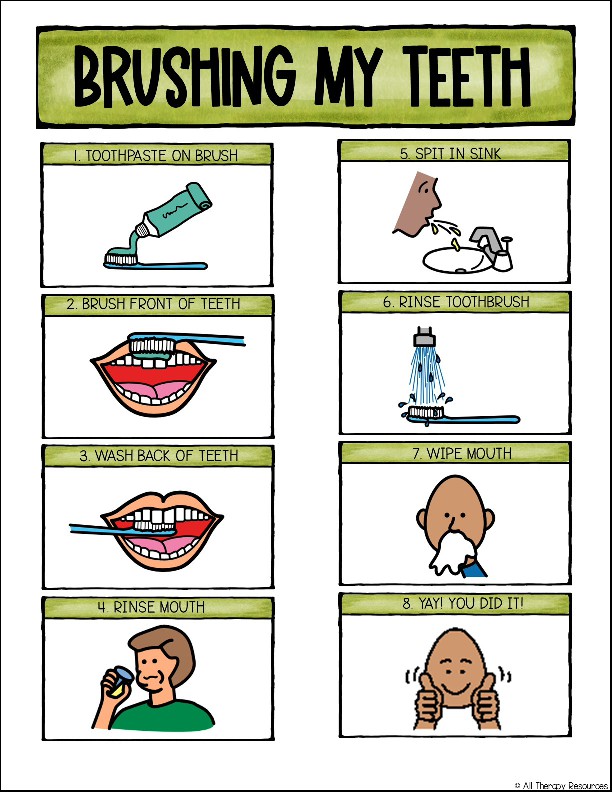
Let’s be real for a second—living with an autoimmune disorder is like your body’s immune system decided to go rogue. It’s supposed to protect you, but instead, it starts attacking your own tissues. And your mouth? Well, it often becomes a battleground. Honestly, dental care isn’t just about a bright smile when you’re dealing with conditions like lupus, rheumatoid arthritis, Sjögren’s syndrome, or Crohn’s disease. It’s about survival, comfort, and preventing a cascade of other health issues.
So, what’s the deal? Your standard “brush twice a day” advice might not cut it. In fact, it could even hurt if you’re not careful. Here’s the thing—your gums, teeth, and even your jaw can be deeply affected by inflammation, dry mouth, or medication side effects. That’s why we’re diving into a dental care routine that actually works for people with autoimmune disorders. No fluff, just real strategies.
Why Autoimmune Disorders Mess with Your Mouth
Think of your mouth as a canary in the coal mine. For many autoimmune conditions, oral symptoms show up first. Dry mouth (xerostomia) is a classic villain—especially in Sjögren’s syndrome, but also in lupus and rheumatoid arthritis. Saliva is your mouth’s natural defense system. Without it, bacteria throw a party. And not the good kind.
Then there’s inflammation. Gum disease, or periodontitis, is basically your immune system overreacting to plaque. For someone with an autoimmune disorder, that reaction is dialed up to eleven. You might see bleeding gums, receding gum lines, or even loose teeth. And sure, medications like steroids or immunosuppressants help your joints or skin, but they can thin your oral tissues or cause fungal infections like thrush.
Here’s a little stat for you: people with rheumatoid arthritis are eight times more likely to develop gum disease. Eight times. That’s not a coincidence—it’s a connection. Researchers even call it the “oral-systemic link.” Your mouth health and your autoimmune flares are basically in a toxic relationship.
Building a Routine That Doesn’t Burn You Out
Okay, so where do you start? Well, first—don’t try to be a hero. If fatigue or joint pain is hitting you hard, a ten-minute brushing session isn’t realistic. And that’s fine. Let’s break it down into manageable chunks.
1. Choose Your Tools Like You’re Picking a Weapon
Your toothbrush matters more than you think. A soft-bristled brush is non-negotiable. Hard bristles can shred inflamed gums like tissue paper. And if you have dexterity issues—say, from RA—grab an electric toothbrush. It does the work for you. Some even have pressure sensors so you don’t brush too hard. Trust me, your gums will thank you.
For toothpaste, avoid anything with sodium lauryl sulfate (SLS). It’s a foaming agent that can irritate dry mouths. Look for fluoride toothpaste with xylitol—it helps fight cavities and keeps moisture in. If you have a metallic taste from medications, try a baking soda-based paste. It neutralizes weird flavors.
2. The Art of Brushing—Without the Pain
Here’s a trick: brush before you eat breakfast, not after. Why? Because morning mouth is acidic from bacteria overnight. Brushing right away removes that acid, and then you can eat without scrubbing enamel off. Wait at least 30 minutes after eating to brush again—especially if you had citrus or coffee.
Use gentle, circular motions. No sawing back and forth. Imagine you’re massaging your gums, not scrubbing a floor. Spend two minutes total, but if that’s too much, break it into two one-minute sessions. You’re allowed to adapt.
3. Flossing—Yeah, It’s Still Important
I know, flossing can be a pain—literally. But for autoimmune patients, it’s a lifeline. Plaque between teeth triggers inflammation, which can worsen systemic flares. If traditional floss hurts your fingers, try floss picks or a water flosser. Water flossers are amazing for sensitive gums. They blast away debris without the friction.
Just don’t skip it. Even every other day is better than nothing. And if your gums bleed? That’s a sign of inflammation, not a reason to stop. Keep going gently, and the bleeding should decrease over a week or two.
Dry Mouth? Here’s Your Survival Kit
Dry mouth is like a desert in your mouth—cracked lips, sticky tongue, and a constant need for water. It’s not just uncomfortable; it’s dangerous for your teeth. Without saliva, cavities can form fast. Like, scary fast.
So, what helps? First, sip water all day. Not just when you’re thirsty. Keep a bottle on your desk, your nightstand, your car. Add a pinch of salt to your water for electrolyte balance—it mimics saliva better than plain H2O.
Second, try saliva substitutes. They come as sprays, gels, or lozenges. Biotene is a popular brand, but there are others. Look for ones with xylitol or enzymes. And avoid mouthwashes with alcohol—they dry you out even more. Instead, use a non-alcoholic, fluoride rinse.
Chewing gum (sugar-free, with xylitol) can stimulate saliva flow. But if you have TMJ issues from arthritis, gum might hurt your jaw. In that case, suck on sugar-free hard candies instead.
Medication Side Effects You Should Know About
Let’s talk about the elephant in the room—your meds. Corticosteroids can cause oral thrush (white patches on your tongue). Immunosuppressants might make you prone to infections. And some biologics are linked to osteonecrosis of the jaw—a rare but serious condition where jawbone tissue dies.
Here’s a table to help you spot the red flags:
| Medication Type | Common Oral Side Effect | What to Do |
|---|---|---|
| Corticosteroids | Thrush, delayed healing | Use antifungal rinses; avoid sugary foods |
| Methotrexate | Mouth sores, gum irritation | Rinse with salt water; use a soft brush |
| Biologics (e.g., Humira) | Increased infection risk | Tell your dentist before any procedure |
| Bisphosphonates (for bone loss) | Jaw pain, osteonecrosis risk | Get dental checkups before starting these |
Always, always tell your dentist what you’re taking. And if you need dental surgery, your rheumatologist might need to adjust your meds temporarily. It’s a team effort.
Dental Visits—Make Them Work for You
Most people dread the dentist. For autoimmune patients, it can feel like a minefield. But here’s the secret: find a dentist who understands chronic illness. Not all do. Look for one who specializes in “medically complex” patients or who works with your rheumatologist.
Schedule appointments in the morning when you have more energy. Ask for breaks during cleanings. And if you have jaw pain, request a bite block—it holds your mouth open so you don’t have to strain. Also, don’t be shy about numbing agents. More lidocaine is okay if you’re sensitive.
Pro tip: bring a list of your medications and any recent flare-ups. Your dentist isn’t a mind reader. And if you’re prone to mouth sores, ask about a steroid mouth rinse before your visit to reduce inflammation.
Foods That Help (and Hurt) Your Mouth
Your diet is a silent player in oral health. Acidic foods—like tomatoes, citrus, and soda—erode enamel. Spicy foods can trigger mouth sores. And sticky sweets? They’re a cavity’s best friend.
On the flip side, crunchy vegetables (carrots, celery) naturally clean teeth. Dairy products provide calcium for strong enamel. And green tea has antioxidants that fight gum inflammation. Oh, and vitamin D? It’s crucial for bone health, including your jaw. Get some sunlight or take a supplement.
If you have Crohn’s or colitis, you might already avoid certain foods. Just remember: soft, non-acidic foods are easier on your mouth during a flare. Think oatmeal, bananas, and yogurt.
The Mental Side of Oral Care
Let’s be honest—when you’re exhausted from a flare, brushing your teeth feels like climbing a mountain. And guilt about skipping it? That just adds stress, which makes inflammation worse. It’s a vicious cycle.
So here’s permission: some days, a quick rinse with fluoride mouthwash is enough. Or just brush your front teeth if that’s all you can manage. Something is better than nothing. And don’t beat yourself up. Your body is already fighting a war—oral care should be a small act of kindness, not another chore.
I’ve heard people say, “I feel like my mouth is betraying me.” And yeah, it can feel that way. But with the right routine—flexible, forgiving, and informed—you can take back some control. Even if it’s just one gentle brush at a time.
Final Thoughts—Small Steps, Big Impact
Autoimmune disorders are unpredictable. Your dental routine should be adaptable, not rigid. Focus on reducing inflammation, managing dryness, and communicating with your healthcare team. And remember: your mouth isn’t separate from the rest of your body. When your gums are healthy, your joints might feel better too. It’s all connected, like a web of tiny, fragile threads.
So go ahead—pick up that soft brush, sip some water, and give yourself a break. You’re doing more than you think.