
Acne-safe sunscreen options for oily and clog-prone skin
6 min read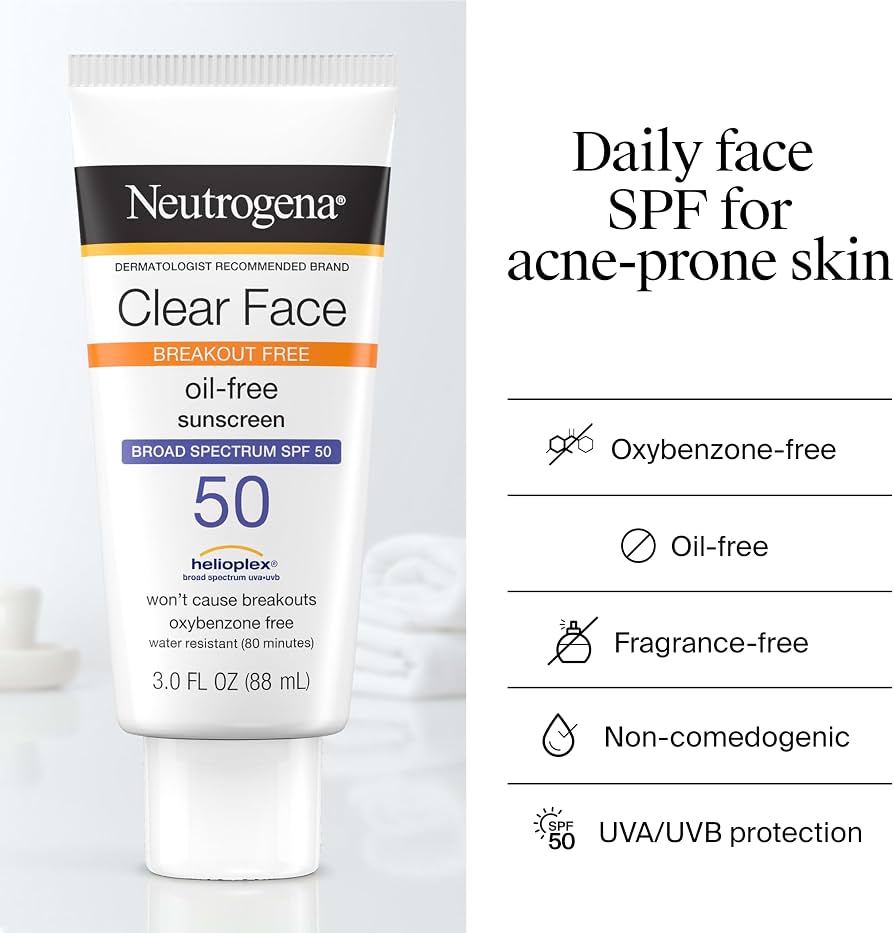
Let’s be real for a second. Finding a sunscreen that doesn’t make your face feel like an oil slick or break you out in tiny, angry bumps? It’s a nightmare. Honestly, I’ve been there. You slather on what’s supposed to be “protective,” and within hours, your pores are throwing a protest. But here’s the thing—skipping SPF is not an option. Not if you want to avoid dark spots, premature aging, and that post-acne redness that lingers forever. So, what’s the solution? Well, it’s all about texture, ingredients, and knowing what to look for. Let’s dive into the gritty details of acne-safe sunscreen for oily, clog-prone skin.
Why your skin hates most sunscreens
You know that greasy, suffocating feeling? That’s usually from chemical sunscreens with high alcohol content or thick physical blockers like zinc oxide in a heavy base. For oily and clog-prone skin, the enemy is occlusion—ingredients that sit on top and trap sebum, bacteria, and dead skin cells. Think of it like this: your pores are already working overtime. Slapping on a heavy cream sunscreen is like putting a plastic lid on a boiling pot. Something’s gotta give.
Another culprit? Fragrance. And certain chemical filters like oxybenzone or octinoxate. These can irritate the skin, triggering inflammation that looks exactly like acne. So, yeah—it’s not always the sunscreen causing breakouts. Sometimes it’s the reaction to the sunscreen.
The magic of “non-comedogenic” — but don’t trust it blindly
Here’s a little secret: the term “non-comedogenic” is not regulated. Brands slap it on labels, but it’s more of a guideline than a guarantee. That said, it’s a good starting point. Look for sunscreens labeled “oil-free,” “matte finish,” or “for acne-prone skin.” But always, always check the ingredient list. Look for things like zinc oxide, titanium dioxide, or newer chemical filters like Tinosorb M and Uvinul A Plus. These are less likely to clog pores.
Mineral vs. chemical: which is safer for clog-prone skin?
This is the age-old debate. And honestly? It depends on your skin’s mood that day. Mineral sunscreens (zinc oxide, titanium dioxide) sit on top of the skin and physically block UV rays. They’re generally less irritating and less likely to cause breakouts. But they can be thick and chalky, sometimes leaving a white cast that feels heavy. For oily skin, a micronized zinc formula can work wonders—it’s lighter and often has a slight oil-absorbing effect.
Chemical sunscreens, on the other hand, absorb into the skin and convert UV rays into heat. They’re usually lighter in texture, but some filters can be pore-clogging. The trick is to pick “new-gen” chemical filters (like those found in Asian or European sunscreens) that are less greasy and more elegant. For example, Avobenzone is a common chemical filter, but it’s often paired with stabilizers that can be comedogenic. So, read labels like a detective.
Hybrid formulas: the best of both worlds?
Lately, I’ve been seeing hybrid sunscreens that mix mineral and chemical filters. They’re designed to be lightweight but still offer broad-spectrum protection. For oily skin, these can be a godsend—they’re less pasty than pure mineral formulas but less greasy than pure chemical ones. Just make sure the formula is “water-based” or “gel-based.” That’s the texture sweet spot.
Top ingredients to look for (and avoid) in acne-safe sunscreen
Let’s break it down into a simple cheat sheet. Because honestly, reading INCI lists is like reading a foreign language.
| Ingredient | Why it’s good or bad |
|---|---|
| Zinc Oxide | Non-comedogenic, anti-inflammatory, calms redness. A+ for acne. |
| Niacinamide | Reduces oil production, soothes breakouts. Often added to sunscreens now. |
| Salicylic Acid | Exfoliates pores. Some sunscreens include it—great for clog-prone skin. |
| Dimethicone | Can be okay in small amounts, but high concentrations may trap oil. |
| Isopropyl Myristate | Highly comedogenic. Avoid like the plague. |
| Coconut Oil | Loved by many, but a pore-clogging nightmare for oily skin. |
| Alcohol Denat. | Dries out skin, causing rebound oiliness. Not ideal. |
Pro tip: if you see “zinc oxide” and “niacinamide” in the first few ingredients, you’re golden. That combo fights acne while protecting.
Texture matters more than you think
I can’t stress this enough. A sunscreen can have the perfect ingredient list, but if it feels like paste on your face, you won’t wear it. And wearing sunscreen is the only way it works. For oily, clog-prone skin, aim for these textures:
- Gel-based — lightweight, absorbs quickly, leaves a matte finish.
- Water-based lotions — thin, spreadable, no greasy residue.
- Powder sunscreens — great for reapplication over makeup, but not enough for full protection alone.
- Milk or serum textures — increasingly popular in Korean sunscreens; they feel like nothing on the skin.
Avoid anything that says “cream” or “balm” unless it’s specifically formulated for oily skin. Those are usually thick and heavy.
How to apply sunscreen without clogging pores
Here’s where technique comes in. Even the best sunscreen can cause issues if you apply it wrong. First, make sure your skin is clean and dry. Apply a lightweight moisturizer first—yes, even if you’re oily. A good hydrating serum (like hyaluronic acid) can help balance oil production. Then, apply sunscreen in thin, even layers. Don’t rub it in aggressively; pat it gently to avoid irritation.
And here’s a weird tip: wait a minute between layers. Let each layer dry before adding the next. This reduces the chance of pilling and ensures even coverage. Also, don’t forget your neck and ears—they get clogged too, believe it or not.
Double cleansing is your best friend
If you’re using sunscreen (and you should be), you need to remove it properly. Sunscreen residue can clog pores if left on overnight. Use an oil-based cleanser first (yes, oil cleansers are safe for oily skin—they dissolve sunscreen without stripping), then follow with a water-based cleanser. This two-step routine ensures every trace is gone. Your pores will thank you.
Acne-safe sunscreen brands I actually trust
Okay, I’ll name a few—but remember, everyone’s skin is different. What works for me might not work for you. That said, these are consistently praised by dermatologists and oily-skin warriors alike.
- EltaMD UV Clear Broad-Spectrum SPF 46 — Contains niacinamide and zinc oxide. Lightweight, non-greasy. A holy grail for many.
- Supergoop! Unseen Sunscreen SPF 40 — A gel-based formula that feels like a primer. Zero white cast, oil-absorbing.
- La Roche-Posay Anthelios Clear Skin Dry Touch SPF 60 — Designed for oily skin. Contains perlite to absorb excess oil.
- Isntree Hyaluronic Acid Watery Sun Gel SPF 50 — Korean brand, very lightweight, no breakouts. Feels like water.
- Neutrogena Clear Face Break-Out Free Liquid Lotion SPF 55 — Budget-friendly and oil-free. A solid drugstore option.
One more thing—always patch test. Apply a small amount behind your ear or on your jawline for a few days. If no new breakouts appear, you’re probably safe.
What about SPF in makeup? Is it enough?
Short answer: no. Long answer: foundation or BB cream with SPF 15 or 20 is not enough for real protection. You’d need to apply a thick layer—like, cake-face thick—to get the labeled SPF. So, always use a separate sunscreen underneath. Think of makeup SPF as a bonus, not a replacement. And if you’re using a powder foundation with SPF, it’s even less reliable because powder doesn’t cover evenly.
Honestly, just stick with a dedicated sunscreen. Your skin will be happier.
Final thoughts (no fluff, just truth)
Finding an acne-safe sunscreen for oily, clog-prone skin isn’t about luck—it’s about understanding your skin’s language. It’s about reading labels, experimenting with textures, and not giving up when the first product fails. Because here’s the deal: sun damage is permanent. Acne scars? They can fade. But UV damage builds up silently, year after year. So, wear that sunscreen. Find the one that feels like nothing on your skin. And remember—your pores might be dramatic, but they’re also resilient. Give them the right protection, and they’ll stop throwing tantrums.
Your skin deserves to be both protected and clear. It’s not a compromise. It’s a choice.