
Microbiome-friendly home cleaning habits: How to clean without killing the good guys
6 min read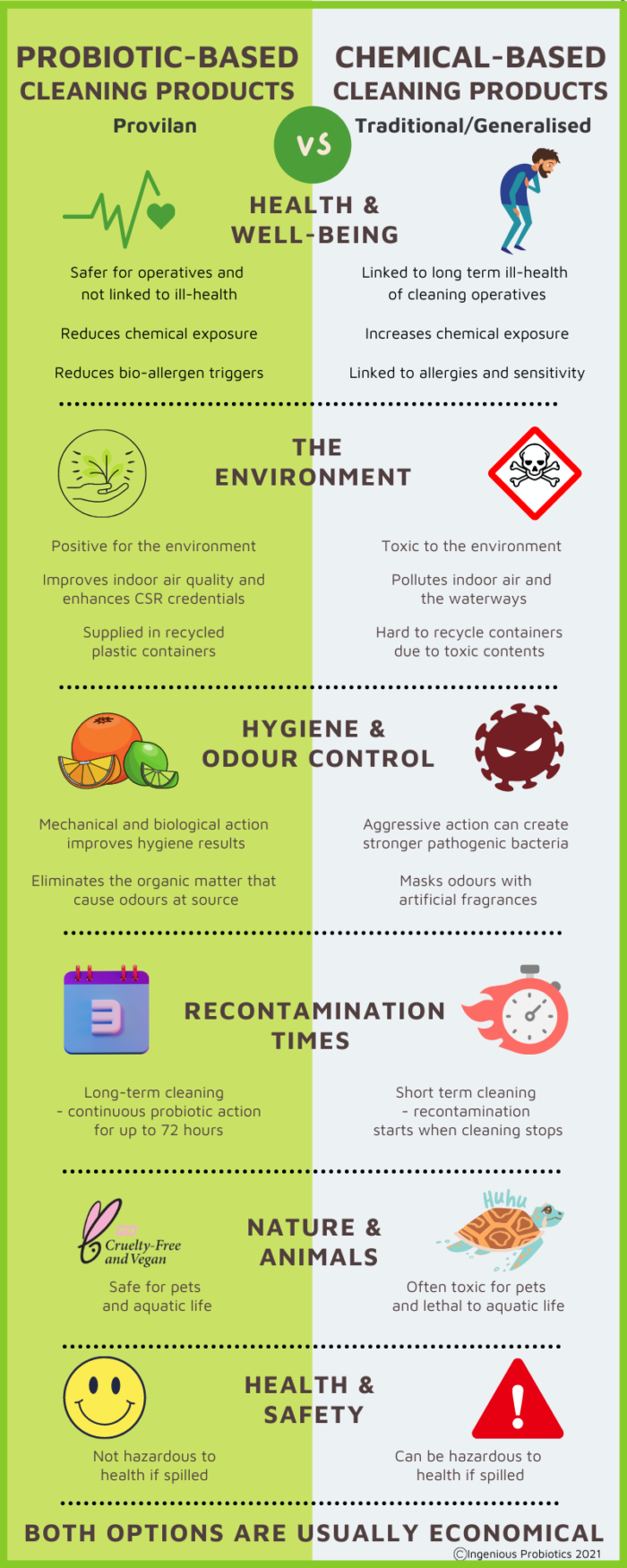
Let’s be honest—most of us grew up thinking “clean” meant smelling like bleach and seeing a shiny, streak-free surface. But here’s the thing: your home isn’t just a place. It’s a living ecosystem. Trillions of microbes—bacteria, fungi, viruses—live on your countertops, in your carpets, and even in the dust bunnies under your couch. And guess what? Most of them are harmless, and many are actually good for you.
So, what happens when you nuke every surface with harsh chemicals? You wipe out the beneficial microbes too. That can mess with your immune system, your allergies, and even your mood. Welcome to the world of microbiome-friendly cleaning—where you clean smarter, not stronger. Let’s dive in.
Wait… what exactly is a “microbiome-friendly” clean?
Think of your home’s microbiome like a garden. You want to pull the weeds (pathogens) without uprooting the flowers (beneficial bacteria). A microbiome-friendly approach means reducing harmful germs while preserving the diverse microbial community that actually supports your health.
It’s not about being dirty. It’s about being selective. You don’t need to sterilize everything—just target the high-risk areas (toilets, cutting boards, sink drains) and let the rest breathe. Honestly, over-sterilizing might be making us sicker. Studies link ultra-clean homes to higher rates of allergies, asthma, and even autoimmune issues. So, yeah—less can be more.
The biggest offenders: Products that nuke your microbiome
Before we talk about what to use, let’s talk about what to ditch. Some of these are obvious, some… not so much.
- Antibacterial soaps and sprays – Triclosan and similar chemicals don’t just kill bad bacteria—they massacre everything. Plus, they contribute to antibiotic resistance. Hard pass.
- Bleach-based cleaners – Great for whitening grout, terrible for your microbiome. Bleach is a nuclear option. Use it sparingly, if at all.
- Disinfecting wipes – Convenient, sure, but they leave a chemical residue that can disrupt your skin and gut microbes. And the packaging waste? Oof.
- Fragranced products – That “fresh linen” smell? Often from phthalates and synthetic musks. They can irritate your lungs and mess with your microbiome. Not so fresh now, huh?
Here’s a quick comparison table to help you swap out the bad stuff:
| Conventional Cleaner | Microbiome-Friendly Swap |
|---|---|
| Antibacterial spray | White vinegar + water (1:1 ratio) |
| Bleach toilet cleaner | Baking soda + hydrogen peroxide paste |
| Disinfecting wipes | Microfiber cloth + castile soap solution |
| Fragranced all-purpose spray | Unscented soap + a few drops of essential oil (optional) |
Habit #1: Clean less, but clean smarter
I know, I know—this sounds like permission to be lazy. But hear me out. The frequency of cleaning matters more than the intensity. Daily scrubbing with harsh chemicals? That’s like tilling your garden every morning. You’ll never let the soil settle.
Instead, adopt a “tiered” approach:
- Daily (gentle): Wipe down counters with a damp microfiber cloth. Sweep floors. Open windows for ventilation. That’s it.
- Weekly (targeted): Use a mild soap or vinegar solution on high-touch areas like doorknobs, light switches, and remote controls.
- Monthly (deep clean): Hit the bathroom and kitchen with a baking soda scrub. Disinfect cutting boards with hydrogen peroxide.
This rhythm gives your home’s microbiome time to recover between cleans. And honestly? Your surfaces will still look great.
Habit #2: Let your vacuum do the heavy lifting (but choose wisely)
Vacuuming is one of the most microbiome-friendly things you can do—if you do it right. Why? Because dust is a buffet for microbes. And not the good kind. Dust mites, mold spores, and bacteria thrive in carpets and upholstery. But a vacuum with a HEPA filter traps those particles instead of blowing them back into the air.
Pro tip: Vacuum slowly. Like, really slowly. Rushing just stirs up dust. And empty the canister outside—otherwise you’re just redistributing the microbiome in your living room. Gross, but true.
Habit #3: Embrace the power of fresh air and sunlight
This one’s free, and it’s probably the most underrated cleaning habit ever. Sunlight—especially UV rays—is a natural disinfectant. It breaks down bacteria and viruses without harming the good guys. Open your curtains wide. Let the light hit your floors, your pillows, your bookshelves.
And fresh air? It dilutes indoor pollutants and brings in diverse microbes from outside. That’s a good thing. Your immune system needs variety to stay resilient. So crack a window for 10 minutes a day—even in winter. Your microbiome will thank you.
Habit #4: Rethink your laundry routine
Your washing machine is a microbiome battleground. Hot water and harsh detergents kill most microbes—but they also strip your clothes of beneficial bacteria that can help your skin. And if you’re using antibacterial laundry additives? Double whammy.
Here’s a gentler approach:
- Wash most clothes in cold or warm water. Save hot water for underwear and towels only.
- Use a mild, fragrance-free detergent. Look for ones labeled “plant-based” or “biodegradable.”
- Skip the fabric softener—it coats fibers with chemicals that mess with your skin microbiome. Instead, add 1/2 cup of white vinegar to the rinse cycle. It softens naturally and kills odors.
- Dry your clothes in the sun when possible. UV light does the disinfecting for you.
Habit #5: Stop obsessing over “germs” on every surface
I get it—we’ve been conditioned to fear microbes. But here’s a reality check: your kitchen counter is not a petri dish of doom. Most bacteria are harmless. In fact, exposure to a variety of microbes early in life (and throughout life) trains your immune system to be less reactive. That means fewer allergies, less inflammation, and maybe even a lower risk of chronic diseases.
So, the next time you drop a piece of food on the floor? The five-second rule is probably fine—especially if your floor is clean-ish. (Okay, maybe not if you have pets. But you get the point.)
Habit #6: Bring the outdoors in (literally)
Houseplants aren’t just decor—they’re microbiome boosters. Soil contains beneficial bacteria that can colonize your home’s surfaces. Plus, plants release moisture and compounds that support a healthy microbial balance. Spider plants, snake plants, and pothos are all easy to care for and great for indoor air quality.
Another trick? Keep a small dish of fresh soil near a window. Sounds weird, but it introduces diverse microbes into your home. Just don’t eat it. (You know, common sense.)
A word on pets and microbiome-friendly cleaning
If you have a dog or cat, you’re already ahead of the game. Pets bring in a constant stream of outdoor microbes—and studies show that kids who grow up with pets have lower allergy rates. But their paws and fur can track in dirt, pollen, and yes, poop particles. So, wipe their paws with a damp cloth after walks. Wash their bedding in hot water every two weeks. And please—don’t use antibacterial wipes on your dog. They’ll lick it off, and that’s not good for their gut microbiome either.
The bottom line: It’s about balance, not sterility
Look, I’m not saying you should stop cleaning. Far from it. But the goal isn’t a germ-free home—it’s a healthy home. One where the good microbes thrive, the bad ones are kept in check, and your immune system gets the workout it needs. That means using gentler products, cleaning less often, and letting nature do some of the work.
Honestly, the most microbiome-friendly habit you can adopt? Just relax a little. Your home doesn’t need to smell like a hospital. It needs to smell like… life. And life is a little messy. That’s okay.
Key takeaway: Swap harsh chemicals for simple ingredients like vinegar, baking soda, and castile soap. Open your windows. Vacuum with a HEPA filter. And remember—your microbiome is your ally, not your enemy.