
Acne-Safe Skincare and Makeup Routines for Content Creators Under Studio Lights
5 min read
Let’s be real. Studio lights are a double-edged sword. They make you look crisp, professional, and vibrant on camera. But for your skin? They can feel like a tiny, personal desert sun, baking your face for hours. Combine that heat with heavy makeup and the pressure to look flawless, and you’ve got a perfect recipe for clogged pores and breakouts.
If you’re a content creator battling acne or just trying to keep your skin clear, this is for you. We’re diving into routines that protect your skin from the inside out—no harsh, stripping products allowed. Think of it as building a calm, resilient barrier against the glamorous but grueling environment of creation.
The Studio Skin Saboteurs: What You’re Up Against
First, understanding the enemy helps. Studio lighting, especially LEDs and hot continuous lights, emit significant heat. This heat causes your skin to produce more oil (sebum) as it tries to cool itself down. That excess oil mixes with makeup, sweat, and dead skin cells. You know what happens next. Congestion. Inflammation. A surprise guest on your chin right before a big shoot.
Plus, many long-wear or camera-friendly makeup products are formulated with heavy silicones and oils to prevent shine and last for hours. While great for performance, they can be a nightmare for acne-prone skin if not removed and balanced correctly. The goal isn’t to avoid makeup altogether—it’s to choose smarter and care for your skin better.
The Acne-Safe Pre-Shoot Skincare Routine
This is your foundation. Literally. Do this 30-60 minutes before applying makeup to let everything settle.
1. The Gentle Cleanse
Start with a lukewarm water rinse or a cleanse with a mild, hydrating cleanser. You don’t need anything harsh here. The aim is to remove morning products without compromising your skin barrier. A compromised barrier under hot lights? That’s asking for trouble.
2. Lightweight Hydration is Key
This is non-negotiable. Well, dehydrated skin overcompensates with oil. Look for a gel-based or fluid moisturizer with ingredients like hyaluronic acid, niacinamide, or squalane. These hydrate and strengthen without adding grease. A quick pro tip: Niacinamide is a superstar—it helps regulate oil and calms redness.
3. The Shield: Sunscreen
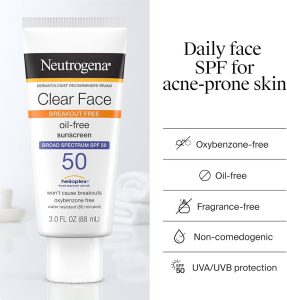
Yes, even indoors. Those lights emit UV and blue light (HEV) which can contribute to inflammation and hyperpigmentation, especially for acne marks. Opt for a mineral sunscreen (zinc oxide or titanium dioxide) or a lightweight, non-comedogenic chemical formula. It acts as a crucial buffer between your skin and the light barrage.
Makeup Must-Haves for Camera-Ready, Clear Skin
Your makeup strategy should be about precision, not plastering. Here’s how to build a face that looks good on 4K and doesn’t sabotage you later.
Primer: The Peacekeeper
Skip the super-grippy, pore-filling primers loaded with dimethicone. Instead, look for a primer with blurring properties that’s labeled “non-comedogenic” or “acne-safe.” Some even contain salicylic acid—a bonus for keeping pores clear. It creates a smooth canvas without suffocating your skin.
Foundation & Concealer: The Art of Sheer Coverage
Heavy, full-coverage foundations are often the biggest culprits. You don’t need to coat your entire face. Try a light-coverage, skin-tint or a breathable liquid foundation. Spot-conceal only where you need it—on blemishes or redness—with a creamy, hydrating concealer. This approach drastically reduces the product load on your skin.
Key ingredients to look for: Hyaluronic acid for hydration, and maybe even a touch of tea tree oil for its antibacterial properties. Avoid foundations with coconut oil, cocoa butter, or heavy fragrance.
Powder & Setting Spray: The Lock-In, Without the Clog
To combat shine under hot lights, use powder strategically. A light dusting of a silica-based or mineral powder only on your T-zone (forehead, nose, chin) is often enough. For setting spray, choose one that’s alcohol-free to avoid drying out your skin. Some setting sprays now have skincare benefits, which is a win-win.
The Non-Negotiable: Post-Shoot Removal & Recovery
Honestly, this might be the most important part of your entire day. You’re tired, you just want to crash, but leaving makeup on is like inviting all those studio pollutants to a sleepover in your pores.
Step 1: Double Cleanse (Yes, Really)
First, use a micellar water or an oil-based balm to dissolve makeup and sunscreen. Massage it in gently. Then, follow up with that same gentle, water-based cleanser from the morning. This two-step process ensures every bit of product is gone without harsh scrubbing.
Step 2: Repair and Rest
After cleansing, your skin is in recovery mode. Apply a soothing serum with centella asiatica or panthenol. Then, lock it in with a slightly richer moisturizer than you used in the AM. If you use acne treatments (like adapalene or benzoyl peroxide), this is the time to apply them, as they can work overnight without interacting with makeup or lights.
Quick-Reference Product Checklist
| Category | Acne-Safe Priorities | Ingredients to Avoid |
| Cleanser | Gentle, pH-balanced, hydrating | Harsh sulfates (SLS), high alcohol content |
| Moisturizer | Oil-free, non-comedogenic, gel-cream | Coconut oil, cocoa butter, heavy mineral oil |
| Sunscreen | Mineral-based or lightweight chemical | Oxybenzone (can be irritating), heavy fragrance |
| Foundation | Sheer to medium coverage, “breathable” | Lanolin, isopropyl myristate, comedogenic silicones |
| Primer/Powder | Blurring, oil-controlling, silica-based | Pore-clogging fillers like some heavy dimethicones |
It’s a Marathon, Not a Sprint
Building an acne-safe routine for content creation isn’t about perfection. Some days, you’ll need heavier makeup for a specific look. That’s okay. The trick is in the consistent care before and, crucially, after. Listen to your skin. If it feels tight, add more hydration. If you’re getting congested, maybe that new primer isn’t your friend.
Your skin is the canvas for your craft. In a world of high-definition scrutiny and harsh lights, treating it with a strategy of gentle protection and smart recovery isn’t just vanity—it’s a practical tool for sustainability. Because the best filter, after all, is healthy skin.