
Adapting Your Acne Skincare Routine for Different Climate Zones
5 min read
Here’s a truth we often forget: your skin isn’t static. It’s a living, breathing, and—let’s be honest—sometimes temperamental organ that reacts to its environment. And that environment changes dramatically depending on where you are. The skincare routine that keeps breakouts at bay in humid Miami might completely backfire in dry, cold Denver.
Think of it like this. Your skin’s moisture barrier is its frontline defense, a bit like the walls of a fortress. Different climates attack that wall in different ways. Acne, at its core, is often a response to that assault—whether it’s excess oil production as a misguided defense or a compromised barrier letting in irritants. Adapting your routine isn’t just smart; it’s essential for clear skin.
Humid & Tropical Climates: The Battle Against Shine and Stickiness
High humidity means the air is packed with water vapor. Your skin feels perpetually damp, pores seem to swell open, and sunscreen can slide right off. The main acne triggers here? Excess sebum mixing with sweat and pollution, leading to clogged pores and a shiny complexion.
Routine Adjustments for Humidity:
- Cleanser is Key: You might need to cleanse twice a day, but gently. Look for a foaming cleanser with salicylic acid (a BHA) to cut through oil and dive into pores.
- Lightweight Everything: Swap heavy creams for gel-based or water-light moisturizers. Hyaluronic acid is your best friend—it hydrates without adding grease.
- Niacinamide is a Star: This ingredient is a multi-tasker. It helps regulate oil production, minimizes pores, and soothes inflammation. A serum here can be a game-changer.
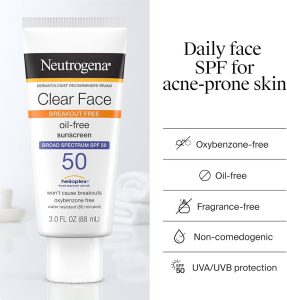
- Mattify Strategically: Use a non-comedogenic, oil-free sunscreen. A translucent mattifying powder over it can help control shine throughout the day without clogging pores.
Honestly, exfoliation is tempting in this climate, but overdoing it will make your skin produce more oil. Stick to 2-3 times a week max with chemical exfoliants.
Dry & Arid Climates: When the Air Sucks the Moisture Right Out
This is the sneaky one. You think acne is an oil problem, right? Well, in dry zones, acne can flare from dehydration. When your skin is parched, it can overcompensate by producing more oil in a chaotic, unbalanced way. Plus, a compromised barrier is more prone to irritation and breakouts. Flakiness mixed with oily patches is a common, frustrating combo.
Routine Adjustments for Dryness:
- Cleanse with a Cream: Ditch the foams. Use a hydrating cream or milky cleanser that doesn’t strip your skin’s natural oils.
- Layer Hydration: Think in layers. A hydrating toner or essence first, then a hyaluronic acid serum applied to damp skin, followed by a richer, ceramide-packed moisturizer to seal it all in.
- Oil is Not the Enemy: A few drops of a non-comedogenic facial oil (like squalane or jojoba) mixed with your moisturizer can fortify your barrier and actually signal to your skin that it can chill on the oil production.
- Exfoliate with Care: Gentle chemical exfoliation (like lactic acid) once a week helps remove flaky skin that can trap oil. Physical scrubs? Avoid them. They can cause micro-tears in an already stressed barrier.
And here’s a pro tip: a humidifier at your bedside is a seriously underrated skincare product in arid zones.
Cold & Windy Climates: The Double Whammy of Indoors and Out
This climate zone is a rollercoaster. Outside, bitter cold and wind chap and strip the skin. Inside, blasting heat creates a desert-like environment. This constant back-and-forth stresses your barrier immensely, leading to sensitivity, redness, and—you guessed it—breakouts.
Routine Adjustments for Cold:
- Protect with Occlusives: At night, after your hydrating layers, consider a thin layer of a balm or cream with petrolatum or shea butter around extra-dry or chapped areas. It creates a protective seal.
- Soothing Ingredients Front and Center: Centella asiatica, panthenol, and oat extract become crucial. They calm irritation that can precede a breakout.
- Lukewarm Water Only: Hot showers feel amazing but are devastating for your skin barrier. Stick to lukewarm water for cleansing.
- Don’t Skip Sunscreen: Snow reflects up to 80% of UV rays. Sun damage weakens the skin and can worsen post-acne marks. A moisturizing sunscreen is non-negotiable.
Temperate & Variable Climates: The Seasonal Shuffle
If you live somewhere with four distinct seasons, your skincare needs to be as adaptable as your wardrobe. The key is to listen to your skin daily and have a core set of products you can rotate.
| Season | Acne Focus | Quick Pivot |
| Spring | Allergens, increased humidity | Add an antihistamine serum if needed; lighten moisturizer texture. |
| Summer | Heat, sweat, oil | Embrace gel textures; use a clay mask weekly; up sunscreen reapplication. |
| Fall | Drying winds, temperature drop | Reintroduce a richer moisturizer; focus on barrier repair. |
| Winter | Indoor heat, cold air | Maximize hydration layers; incorporate a facial oil; protect with occlusives. |
The real trick here is building a skincare wardrobe. You know, having options. Don’t be afraid to mix a heavier cream only on your cheeks in winter while using a gel on your T-zone.
The Universal Pillars, No Matter the Zip Code
While you adapt, some things never change. These are your non-negotiables:
- Patch Test New Products: A stressed climate-zone skin is more reactive. Always test.
- SPF Every Single Day: UV rays are a constant acne-aggravator and cause hyperpigmentation. It’s the best anti-acne step you can take, period.
- Hydrate from the Inside: Drinking water won’t cure acne, but chronic dehydration shows on your skin. It’s a foundation, not a fix.
- Change Your Pillowcase Often: Seriously. It’s a simple hack that works in the Sahara or the Amazon.
End of the day, adapting your acne skincare for different climates is less about a total overhaul and more about tuning in. It’s a dialogue with your skin. You’re responding to its signals—the tightness, the extra shine, the new flakiness—and adjusting your defenses accordingly.
The goal isn’t a perfect, rigid 10-step routine. It’s resilience. It’s building a skin barrier so robust and balanced that it can handle whatever the weather throws at it, from a blistering heatwave to a sub-zero gust. And that, you know, is the real definition of a healthy complexion.