
Post-inflammatory Erythema (PIE) and Post-inflammatory Hyperpigmentation (PIH): Your Guide to Clearing Acne’s Lingering Marks
4 min read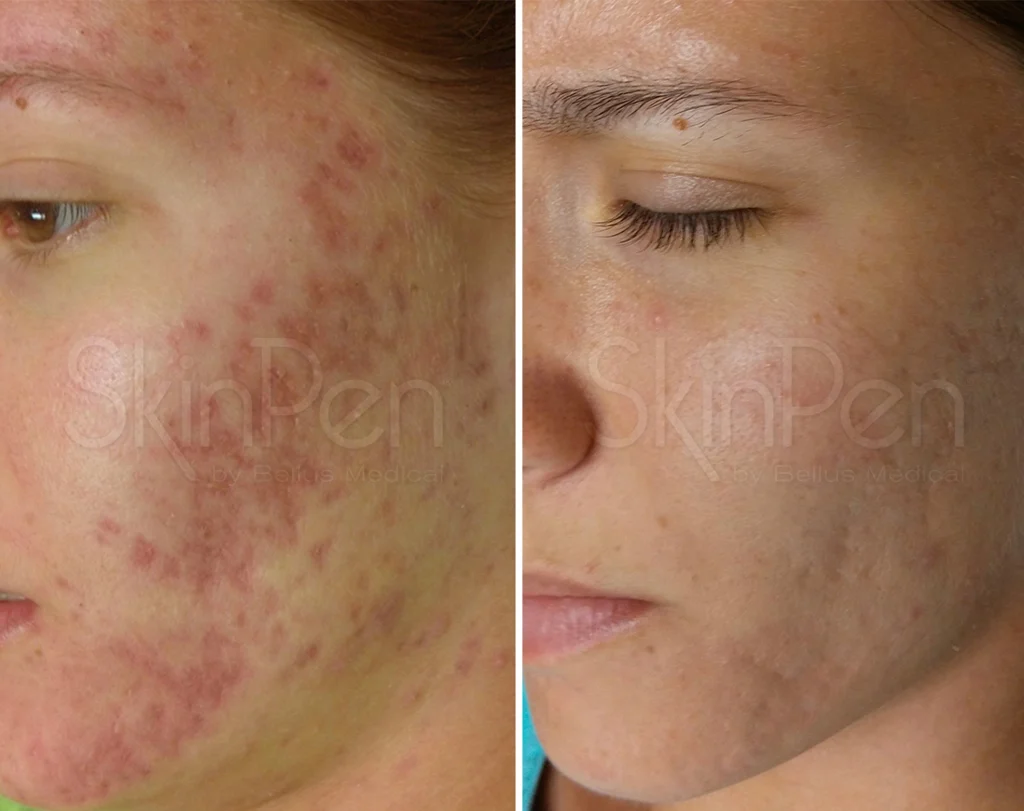
You’ve finally gotten that breakout under control. But instead of clear skin, you’re left with a battlefield of flat red or purplish spots, or maybe dark brown patches. It feels like a cruel joke, honestly. The acne is gone, but its ghost remains.
Well, you’re dealing with either post-inflammatory erythema (PIE) or post-inflammatory hyperpigmentation (PIH). They’re the most common—and frustrating—sequels to acne. And treating them? It’s a whole different ballgame. Let’s dive into what they are and, more importantly, how to fade them for good.
PIE vs. PIH: Knowing Your Enemy
First things first. You can’t treat what you don’t understand. And PIE and PIH, while often lumped together, are fundamentally different. Think of it this way: PIE is a problem of blood vessels, while PIH is a problem of pigment.
Post-inflammatory Erythema (PIE): The Red and Stubborn
Those pink, red, or even purplish flat marks? That’s PIE. It’s especially common in lighter skin tones and those with more sensitive or rosacea-prone complexions. When acne causes significant inflammation, it can damage the tiny capillaries (teeny blood vessels) in the area.
The result? Dilated capillaries that you see as a persistent red mark. They don’t tan or darken in the sun—they just linger. Press on one and it may briefly blanch white, because, well, you’re pushing the blood out of the vessel. For a moment.
Post-inflammatory Hyperpigmentation (PIH): The Brown and Widespread
PIH, on the other hand, shows up as tan, brown, or even grayish spots. It’s more frequent in medium to deeper skin tones (Fitzpatrick III-VI), where melanin-producing cells are more reactive. Inflammation from acne triggers these melanocytes to go into overdrive, depositing excess pigment (melanin) into the skin as it heals.
Sun exposure makes PIH dramatically worse. It’s like throwing gasoline on a smoldering fire. So, a key difference in treatment? Sun protection is non-negotiable for PIH, while for PIE it’s just generally good practice.
Building Your Treatment Arsenal: From Topicals to Tech
Here’s the deal: patience is your most important ingredient. These marks take time—often months, not weeks. But a strategic approach works. Let’s break it down.
Topical Treatments That Actually Work
Your daily skincare routine is your foundation. For both PIE and PIH, you want ingredients that calm, repair, and renew.
- For PIE: Look for ingredients that strengthen skin and reduce redness. Niacinamide (5-10%) is a superstar—it improves barrier function and calms inflammation. Azelaic Acid (15-20%) is another brilliant multi-tasker that tackles redness and kills acne bacteria. Centella Asiatica and Panthenol are soothing heroes that help repair damaged skin.
- For PIH: You need pigment-inhibitors. Vitamin C (L-ascorbic acid) is a potent antioxidant that brightens and protects. Retinoids (like adapalene or prescription tretinoin) accelerate cell turnover, pushing pigmented cells to the surface. Alpha Arbutin, Kojic Acid, and Tranexamic Acid are other powerful options that interrupt the pigment production pathway.
A quick, crucial note: Always introduce one new active at a time. Slamming your sensitive, post-acne skin with a cocktail of acids will backfire. Trust me on this.
In-Office Procedures: The Big Guns
When topicals need a boost, professional treatments can be game-changers. Honestly, for stubborn PIE, they’re often the most effective route.
| Treatment | Best For | How It Works |
| Pulsed Dye Laser (PDL) | PIE | Targets and eliminates the dilated red blood vessels directly. The gold standard for persistent redness. |
| Intense Pulsed Light (IPL) | PIH & Mild PIE | Broad-spectrum light targets pigment and redness. Better for lighter skin tones. |
| Non-ablative Fractional Lasers | PIH & Textured Scars | Creates micro-injuries to trigger healing and collagen, resurfacing skin and dispersing pigment. |
| Chemical Peels | PIH | Exfoliates layers of pigmented skin. Glycolic, salicylic, and mandelic acid peels are common choices. |
Consultation with a board-certified dermatologist is essential here. They can diagnose your marks correctly and choose the right tech for your skin tone and concerns—vital for avoiding further pigmentation or scarring.
The Non-Negotiables: Sunscreen and Patience
I know, I know. You’ve heard it a million times. But wearing a broad-spectrum SPF 30+ every single day is not a suggestion. For PIH, it’s the treatment. Any progress you make with brighteners will be undone by UV exposure. For PIE, sun can worsen general inflammation and sensitivity.
And patience? It’s the hardest part. These marks follow their own slow timeline. Comparing your skin week-to-week will drive you nuts. Try month-to-month photos instead. The progress is there—you just have to zoom out to see it.
A Final, Human Thought
Navigating PIE and PIH treatments for acne-prone skin is a journey of understanding, not just attacking. It’s about listening to your skin’s specific story—is it telling you a tale of damaged capillaries or of pigment gone awry?
The path to clear skin isn’t a straight line. It’s more like…tidying a very cluttered room. You find the right tool for each type of mess, you work methodically, and you accept that some stains take longer to lift than others. But with the right map—the one that distinguishes the red from the brown—you finally know which direction to head.