
Nature Prescription and Urban Green Space Therapy: When Doctors Prescribe Parks Instead of Pills
5 min read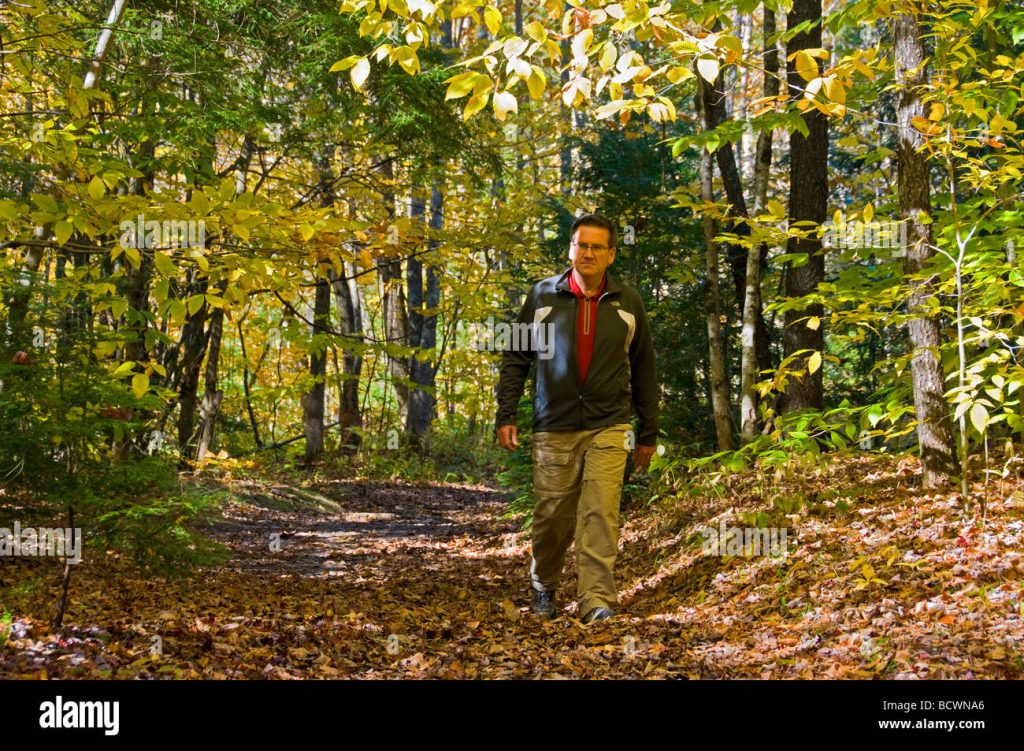
Imagine leaving your doctor’s office with a slip of paper that reads: “Two hours in the park, weekly. Repeat as needed.” Sounds a little odd, right? Well, that’s exactly what’s happening in clinics from Scotland to California. Nature prescription programs — sometimes called “park prescriptions” or “nature Rx” — are quietly becoming a real thing in modern healthcare. And honestly, the science behind them is more solid than you might expect.
So let’s talk about what this trend actually means, why urban green space therapy is gaining traction, and how you can tap into it — even if your nearest “forest” is a scrappy neighborhood park with one tired oak tree.
What Is a Nature Prescription, Exactly?
A nature prescription is a formal recommendation from a healthcare provider that you spend time outdoors in green or blue spaces — parks, trails, gardens, lakeshores, even tree-lined streets. It’s not a drug. It’s not a supplement. It’s time. Specifically, time in nature, treated as a legitimate part of your health plan.
The idea isn’t new, not really. Hippocrates supposedly said “nature itself is the best physician.” But what is new is the infrastructure. Programs like Park Rx America, PaRx in Canada, and the UK’s Green Social Prescribing now connect doctors directly to local green spaces. Some even give patients free park passes. That’s a big shift from the usual “take two aspirin” advice.
Why Urban Green Space Therapy Matters More Than Ever
Here’s the deal: more than half the world’s population lives in cities. By 2050, that number climbs to nearly 70%. We’re packed into concrete, glued to screens, and — surprise — our mental and physical health is suffering for it. Anxiety, depression, obesity, loneliness… the list goes on.
Urban green space therapy flips that script. It says: the remedy isn’t always in a bottle. Sometimes it’s in a canopy of leaves, the smell of damp earth, the sound of birds doing their chaotic morning thing.
The Research Is… Pretty Compelling
I won’t drown you in citations, but here’s a quick snapshot of what studies keep finding:
- Lower cortisol levels after just 20–30 minutes in a green space
- Improved mood and reduced anxiety — sometimes comparable to mild exercise
- Better cardiovascular markers, including lower blood pressure
- Enhanced immune function, possibly linked to phytoncides (compounds released by trees)
- Improved attention spans, especially in children and people with ADHD
And that’s not even touching the social benefits. Parks are where neighbors actually meet. Where kids run wild. Where you can sit on a bench and feel like part of something bigger than your apartment walls.
How Nature Prescriptions Actually Work in Practice
Okay, so how does this look in real life? Let’s say you visit your GP for mild depression or high blood pressure. Instead of (or alongside) medication, they might hand you a “dose” like this:
| Prescription Element | Example |
|---|---|
| Duration | 120 minutes per week |
| Frequency | Spread over 3–4 sessions |
| Setting | Local park, trail, or community garden |
| Activity | Walking, sitting, gardening, birdwatching |
| Tracking | Simple app or paper log |
Some clinics pair this with “park navigators” — volunteers or staff who help patients find accessible green spaces nearby. Because sure, telling someone to “go to nature” is easy. But if they live in a food desert with no car and one bus route… that’s a different story. Good programs address that.
The Barriers Nobody Talks About Enough
Let’s be real for a second. Nature prescriptions sound lovely on paper. But they run into some messy realities:
- Access inequality — not all neighborhoods have safe, well-maintained parks
- Time poverty — when you work two jobs, “leisure walk” feels like a luxury
- Cultural disconnect — some people just don’t feel welcome in outdoor spaces
- Weather — try telling a Minnesotan in January to “soak up the sun”
That said, cities are slowly catching on. Urban planners now talk about “green corridors” and “15-minute nature access.” Some hospitals are even planting healing gardens on their own grounds. Progress, not perfection.
How to Create Your Own Green Space Therapy Routine
You don’t need a doctor’s note to start. Honestly, you don’t even need a forest. Here’s a simple way to build your own nature prescription:
- Start small. Five minutes sitting under a tree counts. Ten minutes walking a paved path counts.
- Anchor it to a habit. Morning coffee? Take it outside. Lunch break? Eat in a park.
- Go for consistency, not intensity. A short daily dose beats one epic monthly hike.
- Use your senses. Notice the light through leaves. The crunch of gravel. The breeze. That’s the therapy part.
- Bring a friend (or don’t). Solo time is restorative. But so is a slow walk with someone you like.
And if you’re in a city with zero green space nearby? Look for community gardens, rooftop parks, cemeteries (yes, really — they’re often quiet and full of trees), or even a courtyard with a few potted plants. Nature doesn’t require grandeur. It just requires attention.
What This Means for the Future of Healthcare
Here’s a thought. What if, in ten years, “go outside” is as standard a medical recommendation as “eat more vegetables”? What if insurance companies reimburse park passes the way they reimburse gym memberships? Some already do, actually. And what if urban design starts treating green space not as decoration, but as critical infrastructure — like roads or plumbing?
That future isn’t guaranteed. But it’s possible. And it’s already flickering into view in cities that take nature prescription seriously.
So next time you feel wound up, foggy, or just… off — before you reach for another screen or another snack, maybe try a different kind of dose. Step outside. Find a tree. Breathe. It won’t fix everything. But it might fix more than you think.