
Acne in Professional Adult Women Over 30: Why It Happens and How to Handle It
5 min read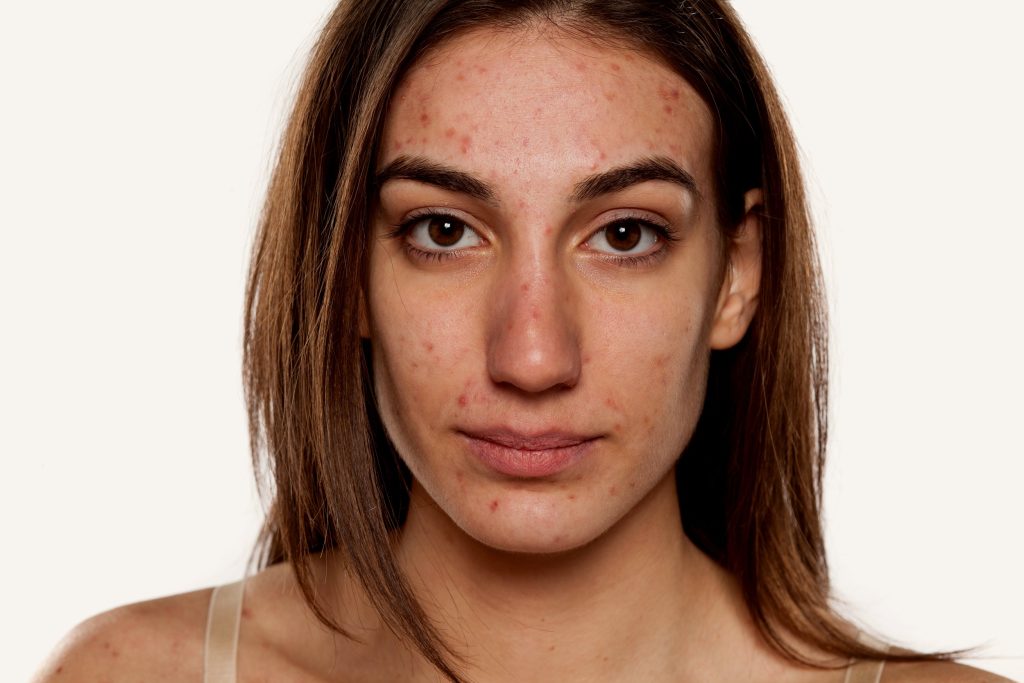
There’s a particular kind of frustration that comes with staring at a pimple on your chin before a board meeting. You’re thirty-five. You have a 401(k), a skincare routine that costs more than your first car, and yet… your face is breaking out like you’re sixteen and stressed about prom. Honestly? It feels unfair.
But here’s the thing—adult acne in professional women over 30 isn’t some rare, mysterious curse. It’s actually incredibly common. In fact, studies suggest that up to 15% of women in their 30s and 12% in their 40s deal with acne. So if you’re dealing with it, you’re in good company. The question is: why now, and what can you actually do about it?
Why Adult Acne Hits Different After 30
Teenage acne was mostly about puberty—oil glands going haywire, hormones surging. Adult acne? It’s a different beast entirely. It tends to show up lower on the face: jawline, chin, neck. And it often comes with a side of inflammation that lingers longer than it used to.
Let’s break down the usual suspects.
1. Hormonal Fluctuations (The Usual Suspect)
You might not be a teenager anymore, but your hormones didn’t get the memo. Fluctuations in estrogen and progesterone—whether from your menstrual cycle, perimenopause, pregnancy, or even stopping birth control—can trigger breakouts. Androgens (male hormones present in women too) can ramp up oil production and clog pores.
If your acne flares up right before your period, that’s a pretty clear sign hormones are playing a role. It’s like your skin is throwing a tiny tantrum every month. Annoying, but predictable.
2. Stress: The Silent Saboteur
You’re balancing deadlines, meetings, maybe kids, maybe aging parents, maybe just the existential dread of it all. Stress raises cortisol levels, which can increase oil production and inflammation. And guess what? That leads to acne.
It’s a vicious cycle: you get a pimple, you stress about the pimple, the stress makes more pimples. Fun, right?
3. Skincare Overload
Here’s a twist: sometimes the products you’re using to fight acne are actually making it worse. Harsh cleansers, alcohol-based toners, over-exfoliating—they strip your skin’s natural barrier. Your skin then overcompensates by producing more oil. And the cycle continues.
I’ve seen it happen. A woman starts using a strong anti-acne regimen, her skin gets irritated, she adds more products, and suddenly her face is a red, flaky, breakout-prone mess. Less is often more.
4. Diet and Lifestyle
Sure, chocolate isn’t the enemy your grandma warned you about. But high-glycemic foods (think white bread, sugary snacks, soda) can spike insulin, which may worsen acne. Dairy—especially skim milk—has also been linked to breakouts in some women.
And let’s not forget sleep. Or lack thereof. Poor sleep increases inflammation and stress, which, you guessed it, can show up on your face.
What Actually Works: A No-Nonsense Approach
Okay, so we know why it happens. Now let’s talk solutions. And no, I’m not going to tell you to just “wash your face more.” That’s lazy advice.
Simplify Your Skincare Routine
You don’t need ten steps. You need the right steps. Here’s a basic framework:
- Gentle cleanser – Look for something non-foaming, like a cream or gel cleanser. Avoid sulfates.
- Salicylic acid or benzoyl peroxide – These are your acne-fighting workhorses. Salicylic acid unclogs pores; benzoyl peroxide kills bacteria. Start with one, not both.
- Moisturizer – Yes, even oily skin needs moisture. Look for non-comedogenic formulas.
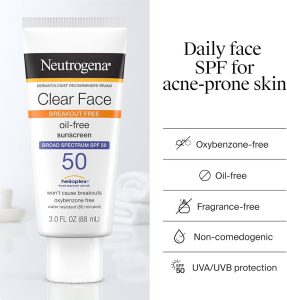
- Sunscreen – Every single day. UV damage worsens inflammation and dark spots.
That’s it. Four steps. Give it eight to twelve weeks before you judge results. Skin takes time to turn over.
Consider Professional Treatments
If over-the-counter stuff isn’t cutting it, don’t suffer in silence. A dermatologist can prescribe:
- Topical retinoids (like tretinoin) – They unclog pores and boost cell turnover.
- Oral antibiotics – Short-term use to calm inflammation.
- Hormonal therapies – Birth control pills or spironolactone can be game-changers for hormonal acne.
- Isotretinoin – For severe cases. It’s intense but effective.
And yeah, seeing a derm might feel like a hassle. But think of it as an investment in your confidence. You deserve clear skin without playing guessing games.
Lifestyle Tweaks That Actually Move the Needle
You don’t have to overhaul your entire life. But small changes add up.
| Change | Why It Helps |
|---|---|
| Switch to low-glycemic foods | Stabilizes insulin, reduces oil production |
| Limit dairy (especially skim) | May reduce hormonal acne triggers |
| Get 7–8 hours of sleep | Lowers cortisol and inflammation |
| Manage stress (yoga, therapy, walks) | Reduces cortisol spikes |
| Change pillowcases weekly | Less bacteria and oil buildup |
None of this is rocket science. But consistency matters more than perfection.
The Emotional Side Nobody Talks About
Let’s be real for a second. Acne as an adult woman feels embarrassing in a way that’s hard to explain. You’re supposed to have your life together. Your skin is supposed to reflect that. When it doesn’t, it can chip away at your confidence.
I’ve had clients cancel meetings because of a breakout. I’ve seen women avoid social events, hide behind makeup, and spiral into “why is this happening to me?” thinking.
Here’s the truth: acne is not a moral failing. It’s not a hygiene issue. It’s a medical condition. And it’s treatable. You’re not vain for wanting clear skin—you’re human.
When to See a Doctor (Don’t Wait Forever)
If your acne is painful, cystic, leaving scars, or just not responding to anything you try, see a dermatologist. There’s no prize for suffering the longest. Also, if you have sudden severe acne along with irregular periods or hair growth, get checked for PCOS (polycystic ovary syndrome). It’s more common than you think.
Final Thought: Your Skin Doesn’t Define You
Acne in your 30s and beyond is frustrating, sure. But it’s also manageable. With the right combination of skincare, lifestyle adjustments, and maybe a little professional help, you can get it under control.
And on the days when a pimple still shows up? Try not to let it steal your spotlight. You’re more than your skin. You’re a professional, a friend, a whole person. A tiny red bump doesn’t change that.
Be patient with yourself. Skin takes time. And honestly? So does everything else worth doing.