
Circadian Rhythm Optimization for Shift Workers: A Real-World Guide
7 min read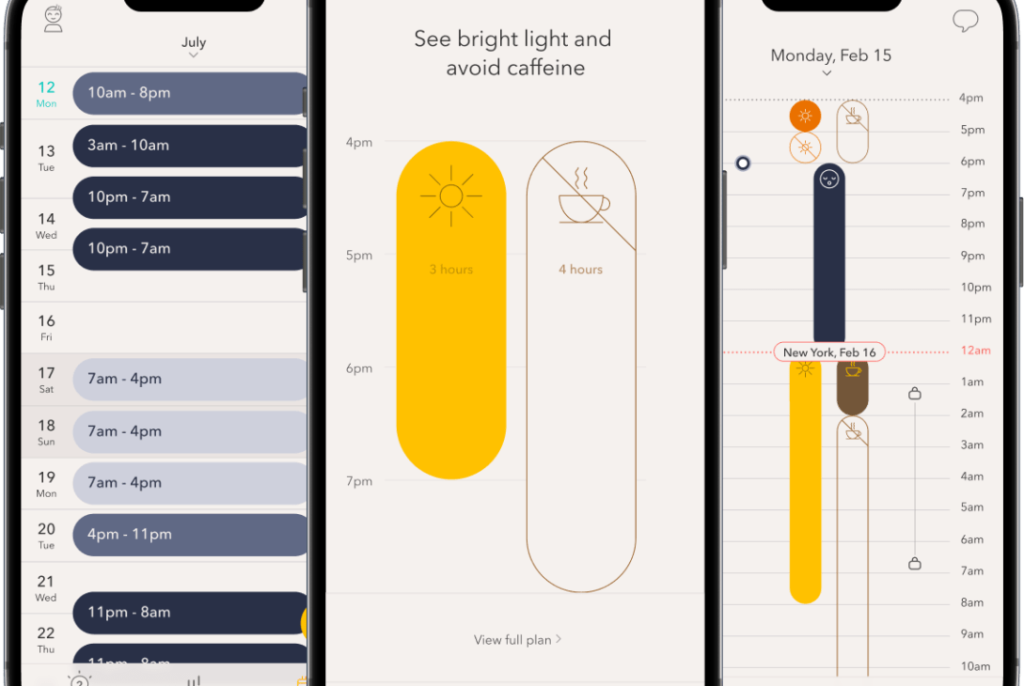
Let’s be honest—working nights or rotating shifts feels like your body is stuck in a permanent timezone mismatch. You know the drill: you’re exhausted at 3 PM, wide awake at 3 AM, and your stomach growls for breakfast right when everyone else is ordering dinner. It’s not just in your head. It’s your circadian rhythm—that internal 24-hour clock—screaming for order in a world that’s flipped upside down.
But here’s the thing. You’re not doomed to a life of brain fog and irritable bowel syndrome. With a few tactical tweaks—some light management, strategic caffeine timing, and a little bit of stubborn routine—you can actually hack your circadian rhythm to work with your shift, not against it. Let’s break down what actually works, minus the fluff.
Why Your Body Feels Like a Broken Clock
Your circadian rhythm isn’t just about sleep. It regulates body temperature, hormone release, digestion, and even mood. The master clock sits in the suprachiasmatic nucleus (SCN) of your brain, and it’s heavily influenced by light exposure. When you work nights, you’re asking that clock to run on a schedule it never evolved for.
Think of it like this: your body is a car with a manual transmission. Shift work is like trying to drive that car in fifth gear while stuck in first. It’ll move, sure, but with a lot of grinding and sputtering. Over time, that grinding leads to what researchers call “social jetlag”—and honestly, it’s worse than the regular kind. We’re talking increased risks for cardiovascular disease, metabolic syndrome, and even certain cancers, according to the WHO’s International Agency for Research on Cancer.
But don’t panic. The goal isn’t perfection—it’s consistency under chaos. Here’s how you start.
Light: The Master Switch You Can’t Ignore
If you only take one thing from this article, let it be this: light is the single most powerful cue for your circadian rhythm. It’s not about willpower. It’s about photons hitting your retina and signaling your brain to either release cortisol (wake up) or melatonin (sleep).
For Night Shifts: Trick Your Brain into “Daytime”
Here’s the counterintuitive part—when you’re working at 2 AM, you actually want bright, blue-enriched light. That’s the kind that mimics morning sunlight. It suppresses melatonin and tells your SCN, “Hey, we’re awake now.”
- Use a portable light box (10,000 lux) for the first 30 minutes of your shift. Place it near your workstation.
- Wear blue-light blocking glasses only during the last 2 hours of your shift. This preps your body for sleep once you get home.
- On your commute home in the morning, wear sunglasses. Yes, even if it’s overcast. That morning sunlight is your enemy—it signals “wake up” right when you need to wind down.
I know, I know—wearing sunglasses at 7 AM looks a little rockstar-ish. But it works. One study found that night workers who wore amber glasses on their commute home fell asleep faster and slept longer than those who didn’t.
Caffeine: Timing Is Everything
You probably already rely on coffee to survive your shift. But here’s the deal—caffeine has a half-life of about 5 to 6 hours. That means if you have a large coffee at 1 AM, a quarter of that caffeine is still buzzing around your system at 7 AM, right when you’re trying to sleep.
So, what’s the sweet spot? Limit caffeine to the first half of your shift. For a typical 12-hour night shift (7 PM to 7 AM), that means no caffeine after 1 AM or 2 AM, tops. And avoid the “second wind” energy drink at 4 AM—it’s a trap. You’ll crash harder later.
Instead, try a strategic “coffee nap” before your shift. Drink a quick cup, then lie down for 20 minutes. The caffeine kicks in just as you wake up, giving you a clean boost without the jitters. It sounds weird, but the science checks out.
Sleep Scheduling: Anchors and Drift
Here’s where most shift workers mess up. They treat sleep like a catch-all—”I’ll sleep when I can.” That’s a recipe for chronic fatigue. Instead, you need anchors. Fixed bedtime anchors, even on days off, keep your circadian rhythm from free-falling.
Let’s say you finish work at 7 AM. Your goal is to be asleep by 8:30 AM, no later than 9 AM. That’s your anchor. On your days off, you might be tempted to flip back to a “normal” schedule—waking up at 9 AM, staying up all day. Resist that urge, at least partially. Shift your sleep window by no more than 2 to 3 hours on days off. Otherwise, you’re essentially giving yourself jetlag twice a week.
How to Actually Fall Asleep Post-Shift
Your bedroom needs to be a cave. Not just dark—a sensory deprivation chamber for light and sound.
- Blackout curtains. Not “room darkening”—full blackout. Duct tape over LED lights if you have to.
- Temperature down to 65-68°F (18-20°C). Your core body temp needs to drop to initiate deep sleep.
- White noise machine or earplugs. Traffic, dogs, and garbage trucks don’t know it’s your bedtime.
- Consider a sleep mask that completely blocks light—the kind with eye cups, not those flimsy flat ones.
And no, a glass of wine isn’t a sleep aid. Alcohol fragments your sleep architecture, especially REM sleep. You’ll pass out faster, but you’ll wake up feeling like you didn’t sleep at all. It’s a trade-off that isn’t worth it.
Eating for the Night Shift: Fuel, Not Fun
Your digestive system has its own circadian rhythm, and it prefers daylight for heavy meals. Eating a massive burger at 2 AM is like forcing your pancreas to work overtime when it’s supposed to be in rest mode. That’s why so many night workers struggle with acid reflux, bloating, and weight gain.
Here’s a simple framework: Eat your largest meal before your shift, not during it. Then, during the shift, have small, light snacks every 2-3 hours. Think Greek yogurt, nuts, fruit, or a protein shake. Save any heavy carbs for the end of your shift—they can actually promote sleepiness when you get home.
| Shift Time | What to Eat | Why |
|---|---|---|
| Pre-shift (6 PM) | Balanced meal: protein, complex carbs, veggies | Sustained energy without a sugar crash |
| Mid-shift (12 AM) | Small snack: apple with peanut butter | Steady glucose, no insulin spike |
| Late shift (4 AM) | Light protein: boiled eggs or cheese stick | Avoids digestive distress before sleep |
| Post-shift (7:30 AM) | Small, warm meal: oatmeal or soup | Comforting but not heavy; promotes drowsiness |
Also, hydrate like it’s your job. Dehydration mimics fatigue. But stop drinking fluids about 90 minutes before your planned bedtime—nobody wants to wake up at 1 PM for a bathroom break.
Napping: Your Secret Weapon (If Done Right)
There’s a reason NASA schedules naps for astronauts. Strategic napping improves alertness and performance. For shift workers, the key is duration and timing.
- Prophylactic nap: Take a 20-30 minute nap before your shift starts. This banks sleep and reduces fatigue during the first few hours.
- Anchor nap: If you’re on a 12-hour shift, try a 10-minute micro-nap around the halfway point (like 1 AM). Keep it under 15 minutes to avoid sleep inertia—that groggy feeling that ruins your next hour.
- Recovery nap: After your shift, a 90-minute nap can help you get a full sleep cycle in before your main sleep block. But don’t nap more than 90 minutes, or you’ll mess up your anchor bedtime.
One caveat: if you’re working rotating shifts, napping becomes trickier. You might need to skip the post-shift nap to build enough sleep pressure for your next night shift. It’s a balancing act—listen to your body, but don’t let it bully you into erratic sleep patterns.
Melatonin Supplements: Use With Caution
Melatonin is a hormone, not a vitamin. Taking it at the wrong time can actually make your circadian rhythm worse. The general rule? Low dose (0.5 to 3 mg), taken 30-60 minutes before your desired bedtime. Not a giant 10 mg gummy that leaves you groggy for 12 hours.
Also, melatonin is more effective for shifting your clock forward (like when you’re transitioning to night shift) than for forcing sleep after a shift. If you’re just trying to sleep after a night shift, you might be better off with a warm shower, a dark room, and a solid wind-down routine. Honestly, the behavioral stuff matters more than the supplement.
When Life Gets in the Way (Because It Will)
Look, you’re human. You’ll have days where you skip the sunglasses, eat a donut at 3 AM, and sleep for four hours before your kid wakes you up. That’s fine. Perfection isn’t the goal—consistency over time is what actually shifts your baseline.
One practical trick to keep yourself accountable: create a “shift prep ritual.” Twenty minutes before you leave for work, dim the lights at home, avoid screens, and mentally transition into “night mode.” This cue helps your brain know what’s coming. It’s a small thing, but it compounds