
Acne Treatment During Pregnancy and Breastfeeding: A Safe, Sane Guide
6 min read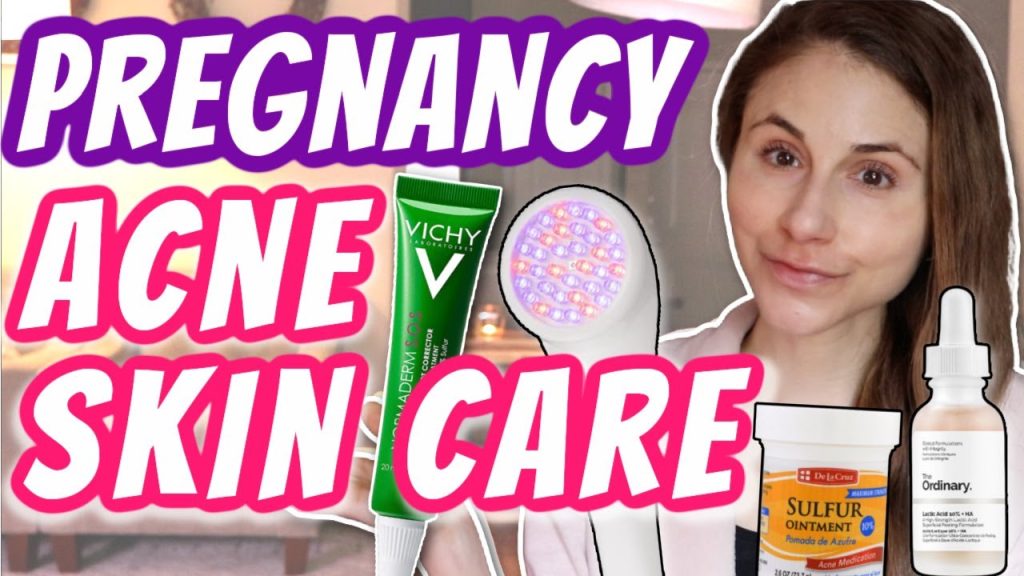
You’re glowing. You’re also breaking out like it’s 2009 all over again. That’s the cruel irony of pregnancy—you’re growing a human, but your skin is throwing a tantrum. And then, just when you think you’ve got it figured out, breastfeeding throws another hormonal curveball.
Here’s the deal: acne during pregnancy isn’t just common—it’s practically a rite of passage. But treating it? That’s where things get murky. You can’t just slap on your old prescription cream and call it a day. Some ingredients are fine. Others—well, they’re a hard no. Let’s break this down, piece by piece, without the fear-mongering or the fluff.
Why Your Skin Goes Haywire (The Short Version)
During pregnancy, your body pumps out more androgens—male hormones that, surprise, everyone has. These ramp up your oil glands. More oil, more clogged pores, more zits. It’s not your fault. It’s not about hygiene. Honestly, it’s just biology being a bit of a jerk.
And during breastfeeding? Your estrogen levels tank while prolactin spikes. That combo can leave your skin dry, flaky, or paradoxically—still oily in patches. The result? A weird, unpredictable breakout map that changes week to week. Fun, right?
The Absolute No-Go List: Ingredients to Avoid
Let’s get the scary stuff out of the way first. These are the ingredients you need to avoid like last week’s sushi.
1. Retinoids (Prescription and OTC)
This includes tretinoin, isotretinoin (Accutane), and even retinol in high doses. Retinoids are vitamin A derivatives that speed up cell turnover. Sounds great, but they’re linked to birth defects in high doses. Most dermatologists say stop using them at least one month before conception. If you’re pregnant now—stop. Cold turkey. No exceptions.
2. Salicylic Acid (High Concentrations)
Here’s the nuance: salicylic acid in a face wash at 0.5% to 2%? Probably fine. It’s a beta-hydroxy acid that exfoliates, but it doesn’t penetrate deeply enough to reach the bloodstream in meaningful amounts. However, oral salicylic acid (like aspirin) is a no-go. And peels or high-strength formulations? Skip them. Your safest bet is to use a rinse-off product, not a leave-on toner.
3. Benzoyl Peroxide (With Caution)
This one is a gray area. The American College of Obstetricians and Gynecologists (ACOG) says it’s okay in small amounts (2.5% to 5%) because it’s poorly absorbed. But some doctors still advise against it, especially in the first trimester. My take? If you’ve used it before without irritation, a thin layer on active spots is likely fine. But ask your OB. Always.
4. Essential Oils (Some of Them)
Tea tree oil sounds natural and harmless, but it can be a uterine stimulant in high doses. Same with clary sage and rosemary oil. A tiny bit in a cleanser? Probably okay. But don’t go slathering pure essential oils on your face. Your skin isn’t a diffuser.
What’s Actually Safe? The Green Light List
Okay, enough doom and gloom. Here’s the good news: you have plenty of effective, pregnancy-safe options. Let’s walk through them.
Azelaic Acid: Your New Best Friend
This is the unsung hero of pregnancy acne. Azelaic acid is a naturally occurring compound that kills acne-causing bacteria, reduces inflammation, and fades dark spots. It’s available over-the-counter at 10% and by prescription at 15% or 20%. Multiple studies show it’s safe during pregnancy and breastfeeding. It’s not as fast as retinoids, but it’s reliable and gentle.
Try this: Apply a pea-sized amount to clean, dry skin at night. Start every other day to build tolerance.
Glycolic Acid (Low Strength)
This alpha-hydroxy acid is a chemical exfoliant that helps unclog pores. It’s safe in concentrations up to 10% in leave-on products. It won’t nuke a cystic zit overnight, but it smooths texture and prevents future breakouts. Use it in the morning, followed by sunscreen—glycolic acid makes you more sun-sensitive.
Niacinamide (Vitamin B3)
This is the jack-of-all-trades. Niacinamide reduces inflammation, regulates oil production, and strengthens your skin barrier. It’s safe, non-irritating, and plays nice with other ingredients. Look for serums with 5% to 10% niacinamide. It’s like a calming hug for your face.
Sulfur (The Old-School Fix)
Sulfur has been used for acne for centuries—and for good reason. It dries out excess oil and has mild antibacterial properties. It smells a bit like a matchstick, but it works. You’ll find it in spot treatments and masks. It’s safe during pregnancy and breastfeeding. Just don’t overuse it; it can be drying.
Your Simple, Safe Routine (Morning and Night)
You don’t need a 12-step routine. You need consistency. Here’s a stripped-down plan that works:
- Cleanse: Use a gentle, fragrance-free cleanser with no active ingredients. Cetaphil or CeraVe are solid choices. Wash for 60 seconds, then rinse with lukewarm water.
- Treat (AM): Apply a 10% azelaic acid cream or a 5% niacinamide serum. Pick one, not both, to avoid irritation.
- Moisturize: Use a lightweight, non-comedogenic moisturizer. Gel-based ones work well for oily skin; cream-based for dry.
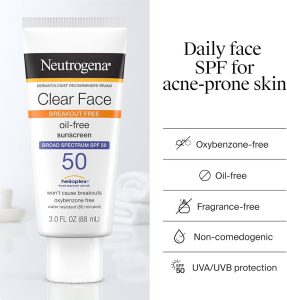
- Sunscreen (AM): Zinc oxide or titanium dioxide sunscreens are physical blockers and totally safe. SPF 30 minimum. This is non-negotiable.
- Treat (PM): If you used azelaic acid in the morning, switch to a low-strength glycolic acid toner at night—or just repeat the azelaic acid. Don’t layer acids.
- Spot treat: Dab a sulfur spot treatment on active pimples. Leave it on for 10 minutes, then rinse off.
That’s it. Four products, twice a day. Your skin doesn’t need more. In fact, over-treating during pregnancy is a common mistake—you end up with a damaged moisture barrier, which makes acne worse. Less is more. Trust me.
What About Breastfeeding? The Rules Shift a Bit
Good news: breastfeeding opens up more options because the concern shifts from fetal development to infant exposure through breast milk. The amounts of topical ingredients that enter breast milk are tiny—usually negligible. But you still need to be careful.
Retinoids? Still No.
Even though the risk is lower, isotretinoin (oral) is absolutely contraindicated. Topical tretinoin? Most doctors say avoid it, but some allow it with caution. Honestly, why risk it? You have azelaic acid. Stick with that.
Salicylic Acid? Now You Have More Leeway
During breastfeeding, low-dose salicylic acid (2% or less) in a wash-off product is generally considered safe. The absorption is minimal, and the amount that reaches breast milk is negligible. But again—rinse it off. Don’t leave it on.
Benzoyl Peroxide? It’s a Go (Mostly)
Benzoyl peroxide breaks down into benzoic acid in the body, which is found naturally in breast milk. The amounts from topical use are minuscule. So yes, 2.5% to 5% spot treatment is generally accepted. Just avoid applying it directly to the nipple area—you don’t want the baby ingesting it. Common sense, right?
Lifestyle Tweaks That Actually Matter
You can’t out-skincare a bad lifestyle. Here’s what moves the needle:
- Hydration: Drink water like it’s your job. Dehydrated skin produces more oil to compensate. Aim for 2.5 to 3 liters a day.
- Sleep: I know, I know—pregnancy sleep is a myth. But even 6 hours helps. Cortisol spikes from sleep deprivation trigger breakouts.
- Diet: High-glycemic foods (white bread, sugary snacks) spike insulin, which boosts androgen activity. Swap white rice for quinoa. Choose berries over candy. Your skin will notice.
- Pillowcases: Change them every two days. Your face marinates in oil and dead skin all night. This is a cheap, easy win.
When to See a Dermatologist (Yes, You Should)
If your acne is painful, cystic, or leaving scars, don’t suffer in silence. Find a dermatologist who specializes in pregnancy and breastfeeding. They can prescribe:
- Topical clindamycin (an antibiotic that’s safe in pregnancy)
- Oral erythromycin (for severe cases, under close supervision)
- Photodynamic therapy or LED light therapy (non-invasive, no drugs)
Just be upfront about your status. Don’t hide it. Your doctor needs the full picture to make safe choices.
The Emotional Side (Because This Matters Too)
Honestly, pregnancy acne can feel like a betrayal. You’re already dealing with fatigue, nausea, and body changes—and then your face decides to rebel. It’s okay to feel frustrated. It’s okay