
Acne Management for Mature Adults Over 40: Hormonal Shifts and Anti-Aging Compatibility
5 min read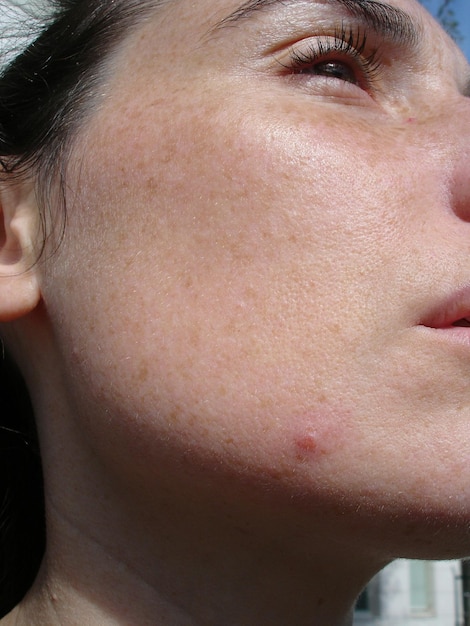
Let’s be honest. You thought you’d left acne back in your teenage years, along with mixtapes and questionable fashion choices. Yet here you are, in your 40s, 50s, or beyond, staring at a breakout that feels like a cruel joke. It’s confusing, frustrating, and honestly, a bit unfair.
But here’s the deal: adult acne over 40 is incredibly common. It’s a unique beast, tangled up with hormonal shifts, anti-aging concerns, and a skincare routine that might not be serving you anymore. We need to talk about managing breakouts while nurturing mature skin. Let’s dive in.
Why Now? The Hormonal Rollercoaster of Midlife
Forget the simple oil-and-bacteria equation of teen acne. What we’re dealing with now is more complex. It’s a story of shifting hormones. For women, perimenopause and menopause mean fluctuating and then declining estrogen. This throws the hormonal balance off-kilter.
Progesterone and androgens (like testosterone) can become relatively more dominant. And these hormones? They’re like a signal to your oil glands. They can stimulate sebum production, leading to clogged pores and inflammation—voilà, adult acne. It often appears along the jawline, chin, and lower cheeks, a pattern often called a “hormonal beard.”
For men, well, hormonal changes are more gradual but still present. A gradual decline in testosterone can sometimes create an imbalance that affects skin. And stress—a constant companion for many adults—elevates cortisol, which can further aggravate oil production and inflammation. It’s a perfect storm.
The Core Dilemma: Fighting Acne vs. Fighting Aging
This is the real heart of the issue. Traditional acne fighters are often harsh. They strip, they dry, they exfoliate aggressively. But mature skin has different needs. It’s producing less natural oil on the surface (even if it’s clogging underneath), and it’s losing collagen and elasticity. Using a harsh, drying benzoyl peroxide wash from your teen years can leave your skin tight, flaky, and accentuating fine lines. Not a good look.
So, the goal isn’t to wage war on your skin. It’s to find a balanced, compatible approach. You need strategies that calm inflammation, gently clear pores, and support the skin barrier—all while delivering the hydration and nourishment mature skin craves.
Key Ingredients That Play for Both Teams
Thankfully, some powerhouse ingredients are multi-taskers. They can address acne and aging concerns simultaneously. Think of them as your skincare diplomats.
| Ingredient | Acne-Fighting Power | Anti-Aging & Compatibility Benefits |
| Retinoids (Retinol, Prescription Retin-A) | Gold standard. Unclogs pores, speeds cell turnover, reduces inflammation. | Stimulates collagen, reduces wrinkles, fades sun spots. Start low, go slow. |
| Niacinamide (Vitamin B3) | Regulates oil, reduces redness, improves barrier function. | Minimizes pores, boosts hydration, improves skin elasticity and tone. |
| Azelaic Acid | Kills acne-causing bacteria, reduces inflammation, unclogs pores. | Brilliant for reducing post-acne redness and hyperpigmentation, gentle. |
| Salicylic Acid | Beta-hydroxy acid (BHA) that exfoliates inside pores. | Opt for low concentrations (0.5-2%) in leave-on serums or washes, not harsh scrubs. |
| Hyaluronic Acid | Not an acne fighter directly. | Provides intense hydration without clogging pores, plumps fine lines. |
Crafting Your Compatible Routine: A Practical Guide
Okay, so how does this all come together? You can’t just slap on a bunch of products. Strategy is everything. The mantra for mature adult acne management is: Gentle, targeted, and nourishing.
1. Cleanse with Kindness
Ditch the stripping foams. Look for creamy, milky, or gel-based cleansers with a slightly acidic pH. Ingredients like niacinamide or a touch of salicylic acid are great here. The goal is to clean without compromising your skin barrier. You know that squeaky-clean feeling? Avoid it.
2. Treat with Tact
This is where you apply your targeted actives. Don’t use them all at once. Rotate them. Maybe a retinoid three nights a week, and on the off nights, a niacinamide or azelaic acid serum. Listen to your skin. If it’s feeling sensitive, pull back. A pea-sized amount for the whole face is often enough.
3. Moisturize, Moisturize, Moisturize
This step is non-negotiable. A robust moisturizer helps repair the skin barrier, which actually makes your other treatments work better and reduces irritation. Look for ceramides, peptides, and hyaluronic acid. Gel-cream formulas are often a perfect match for acne-prone mature skin—hydrating but not heavy.
4. The Non-Negotiable: Sunscreen
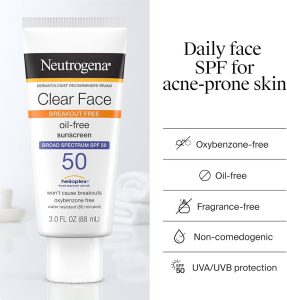
Many acne treatments, especially retinoids and acids, make your skin more sun-sensitive. Sun damage also worsens post-acne dark spots and, of course, accelerates aging. A broad-spectrum SPF 30+ is your best friend. Mineral sunscreens with zinc oxide can be soothing and even offer a slight anti-inflammatory benefit.
Lifestyle Levers You Can Pull
Skincare is crucial, but it’s not the whole picture. A few lifestyle tweaks can make a significant difference in managing hormonal acne after 40.
- Diet Diary: Pay attention. For some, sugar and high-glycemic foods can trigger inflammation. Dairy can be a culprit for others. It’s not universal, but it’s worth observing your own patterns.
- Stress Management: I know, easier said than done. But since stress hormones directly impact oil production, finding your calm—whether through walking, meditation, or just breathing—is legit skincare.
- Pillow Talk: Change your pillowcase often. Silky or satin ones can cause less friction, which is better for both acne and wrinkles, believe it or not.
When to Seek Professional Help
If your acne is severe, painful, or just not budging with thoughtful over-the-counter care, see a dermatologist. They have tools you don’t. For hormonal acne in women, oral medications like spironolactone can be a game-changer by blocking androgen receptors. Prescription-strength retinoids, chemical peels tailored for mature skin, or even laser treatments can address both acne and aging simultaneously. It’s a worthwhile investment.
So, where does this leave us? Managing acne after 40 isn’t about fighting your skin. It’s about navigating a new phase with wisdom and a bit of grace. It’s about choosing products that don’t force you to pick between a clear complexion and a supple one. You can have both.
It requires patience, a willingness to experiment, and a shift in perspective—from seeing your skin as a problem to fix, to a complex, changing organ to care for. Honestly, that shift might just be the most powerful anti-aging and acne-fighting strategy of all.