
Beyond the Cup: How Adaptogenic Herbs Are Revolutionizing Topical Skincare
4 min read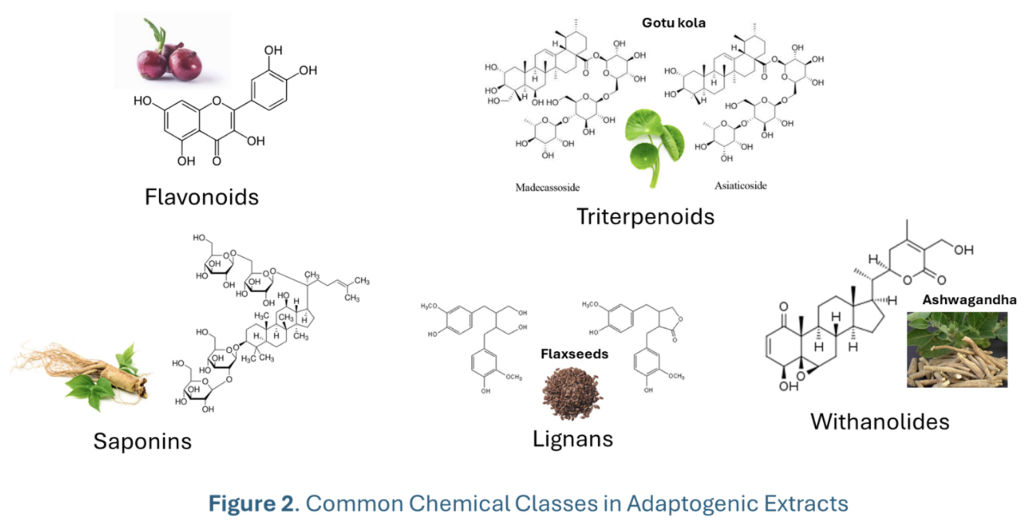
You’ve probably heard of adaptogens in your morning latte or evening tea. Ashwagandha for stress, holy basil for focus—these botanical powerhouses have been internal allies for centuries. But here’s the deal: what if you could apply that same intelligent, balancing support directly to your skin? That’s exactly where cutting-edge skincare is headed.
Let’s dive in. Adaptogens in topical skincare formulations are not just another fleeting trend. They represent a shift towards skin care that doesn’t just mask or scrub, but actually helps your skin’s ecosystem adapt and find its balance. It’s like giving your complexion a personal trainer for resilience.
What Are Adaptogens, Really? (And Why Your Skin Craves Them)
In simple terms, adaptogens are non-toxic plants that help the body—any living system, really—resist and adapt to various stressors. They’re regulators. Think of them as a smart thermostat: when it’s too hot, they cool things down; when it’s too cold, they warm things up.
Now, translate that to your skin. Your face deals with its own kind of stress daily: pollution, UV rays, harsh weather, emotional tension, and even aggressive skincare products. This can lead to inflammation, a weakened barrier, breakouts, and premature aging. Honestly, it’s a lot.
Adaptogenic herbs in skincare work by supporting the skin’s own ability to cope. They don’t impose a single action. Instead, they help normalize function. It’s a profoundly different approach.
The Heavy Hitters: Key Adaptogens in Modern Formulations
Not all adaptogens are created equal for topical use. Formulators are getting clever, extracting and blending these herbs for targeted benefits. Here are a few stars you might spot on ingredient lists.
Ashwagandha (Withania somnifera)
Famous for internal calming, ashwagandha is a skin soother too. It’s packed with antioxidants that help neutralize free radicals from pollution and UV exposure. For reactive or sensitized skin, it can be a game-changer, helping to reduce redness and that uncomfortable feeling of tightness.
Holy Basil (Tulsi)
Often called the “Queen of Herbs,” holy basil is a purifying champion. It has notable antimicrobial and anti-inflammatory properties, making it a fantastic ingredient for acne-prone or congested skin. It doesn’t just zap a zit; it helps the skin environment become less hospitable to the bacteria that cause them.
Reishi Mushroom
This isn’t your average mushroom. Reishi is a hydrating, longevity superstar. It’s rich in polysaccharides that help the skin retain moisture and support a plump, dewy appearance. Plus, its triterpenes calm inflammation. It’s like a tall drink of water and a deep breath for stressed-out skin.
Rhodiola Rosea
Known for fighting fatigue internally, Rhodiola brings energizing protection to the skin. It enhances the skin’s own defense mechanisms against environmental stressors and can help improve microcirculation. The result? A more radiant, fatigue-fighting glow that combats dullness.
The Science of Skin-Stress: How Topical Adaptogens Work
Okay, so how does a plant applied to your skin help it “adapt”? The magic happens on a cellular level, primarily through a few key pathways.
- Modulating Cortisol Response: Yes, skin cells have cortisol receptors. Psychological stress can literally make your skin more reactive and prone to issues. Some adaptogens help buffer this signal, preventing stress from wreaking havoc on your complexion.
- Boosting Antioxidant Defenses: Many adaptogens upregulate the skin’s natural antioxidant systems (like glutathione and superoxide dismutase). This is like reinforcing your skin’s internal army against pollution and sun damage.
- Calming the Inflammatory Cascade: They often inhibit the release of pro-inflammatory cytokines. Instead of just soothing existing redness, they help prevent the inflammatory fire from starting in the first place.
- Strengthening the Barrier: By supporting lipid production and ceramide synthesis, adaptogens like reishi help fortify the skin’s moisture barrier—its primary shield against the world.
The beauty of it is, well, the synergy. These actions don’t happen in isolation. They work together, creating a net effect of greater stability and health.
What to Look For: Choosing an Adaptogen Skincare Product
With the buzz growing, how do you pick a good one? It’s not just about an adaptogen being on the label. Here’s a quick guide.
| Key Consideration | Why It Matters |
| Extract Quality & Concentration | A mere sprinkle won’t do. Look for products that specify the adaptogen extract and its part (root, mushroom fruiting body). It should be a meaningful part of the ingredient list, not the last item. |
| Supporting Cast | Adaptogens play well with others. Formulas that combine them with proven actives like niacinamide, peptides, or hyaluronic acid often deliver more comprehensive results. |
| Product Format | Serums and moisturizers are ideal, as they allow for better penetration and sustained contact with the skin compared to quick-rinse cleansers. |
| Your Skin’s Needs | Match the herb to your concern: Ashwagandha/Reishi for dryness/sensitivity, Holy Basil for oiliness/breakouts, Rhodiola for dullness. |
And a quick, honest note: because these are complex botanical extracts, patch testing is wise. Even natural ingredients can be potent.
The Future is Adaptive: A Final Thought
We’re moving away from the era of “attack and conquer” skincare—stripping, burning, aggressively exfoliating. The inclusion of adaptogens signals a more holistic, intelligent philosophy. It’s skincare that listens and responds, rather than just dictates.
It asks a compelling question: what if, instead of constantly fighting our skin’s reactions, we could help it become more resilient? To build its capacity to handle whatever comes its way. That’s the promise—not of a single miracle ingredient, but of a wiser, more supportive relationship with the skin you’re in.