
Managing Acne While on Testosterone Hormone Replacement Therapy (HRT)
5 min read
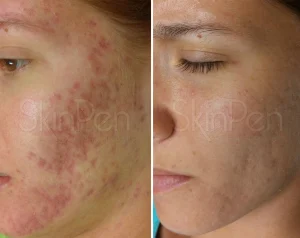
So, you’ve started testosterone hormone replacement therapy. You’re feeling more energized, your mood is lifting, and your body is changing in ways you hoped for. But then, you look in the mirror and—bam. A breakout. Maybe it’s a few stubborn pimples, or maybe it’s a full-blown resurgence of acne you thought you’d left behind in your teens.
Honestly, it’s a common and frustrating side effect. Here’s the deal: testosterone, whether your body makes it or you’re supplementing it, can seriously rev up your skin’s oil production. And more oil often means more clogged pores and more acne. But that doesn’t mean you have to just accept it as an inevitable trade-off. Let’s dive into how you can manage this, without sacrificing your therapy’s benefits.
Why Does Testosterone HRT Cause Acne?
Think of your skin’s oil glands—sebaceous glands—as tiny factories. Testosterone, and particularly its more potent derivative, dihydrotestosterone (DHT), acts like a memo from corporate headquarters: “Increase production!” These glands start pumping out more sebum (that oily, waxy stuff).
Well, all that extra oil mixes with dead skin cells and can clog your pores. This creates the perfect, cozy home for Cutibacterium acnes bacteria. The result? Inflammation, redness, and those painful, sometimes cystic bumps we call acne. It’s a perfect storm, really, and it’s why managing acne on TRT often requires a multi-pronged approach.
Your Frontline Skincare Strategy: Consistency is Key
You can’t control the hormonal shift entirely, but you can absolutely change how your skin responds to it. A solid, gentle, and consistent routine is your best defense. Forget the harsh, stripping products of your youth; they often make things worse.
The Core Three-Step Routine
This isn’t complicated, but it works. Do this morning and night.
- Cleanse Gently: Use a mild, non-comedogenic cleanser. Look for ingredients like ceramides or glycerin. Harsh scrubs? They’re like using sandpaper on a sensitive engine—just don’t.
- Treat with Actives: This is where you fight back. After cleansing, apply a treatment. Salicylic acid is a superstar—it’s oil-soluble, meaning it can dive into pores and dissolve gunk. Benzoyl peroxide kills acne-causing bacteria. Start with a low concentration (2.5% BP is often as effective as 10% with less irritation).
- Moisturize (Yes, Really!): Oily, acne-prone skin still needs hydration. A lightweight, oil-free, non-comedogenic moisturizer helps maintain your skin barrier. If your skin is dehydrated, it might actually produce more oil to compensate. It’s a weird paradox, you know?
When to Level Up: Medical Interventions
If a good skincare routine isn’t cutting it—and for hormonal acne, sometimes it isn’t—it’s time to talk to a professional. A dermatologist or your HRT provider can be a game-changer. Here are some options they might discuss.
| Option | How It Helps | Key Consideration |
| Topical Retinoids (Tretinoin, Adapalene) | Unclogs pores, speeds cell turnover, reduces inflammation. The gold standard for many. | Can cause dryness/irritation. Sunscreen is NON-NEGOTIABLE. |
| Oral Antibiotics (Doxycycline, etc.) | Reduces bacteria and inflammation for moderate-to-severe cases. | Usually a short-term bridge (3-6 months) to avoid antibiotic resistance. |
| Spironolactone (for those who can take it) | Blocks androgen receptors in the skin, directly countering testosterone’s effect. | Primarily prescribed for women/AFAB individuals on testosterone HRT; not typically for men/AMAB. |
| Isotretinoin (Accutane) | The nuclear option for severe, cystic acne. Can provide long-term remission. | Requires rigorous monitoring due to potential side effects. Not a first step. |
Lifestyle & HRT Protocol Tweaks
Sometimes the answer isn’t just on your bathroom shelf. It’s in your daily habits and even your treatment plan.
- Talk to Your HRT Provider: Mention the acne. They might check your estradiol levels—yes, estrogen. Too low estrogen on TRT can make acne worse. A slight adjustment or adding a tiny dose of an aromatase inhibitor might help balance things. Also, super-high DHT levels could be a culprit; they can check that too.
- Dose & Frequency: Are your hormone levels swinging like a pendulum? Large, infrequent injections can cause bigger hormonal spikes and crashes, which can aggravate skin. More frequent, smaller doses (like weekly vs. bi-weekly) can lead to steadier levels and sometimes calmer skin.
- Sweat Smart: Testosterone can make you sweat more. Sweat mixed with oil and bacteria is a breakout brew. Shower soon after workouts, and if you can’t, use a gentle cleansing wipe.
- Diet’s Role (The Controversial One): The science isn’t crystal clear, but anecdotally? Some people find dairy or high-glycemic foods (sugary stuff, white bread) worsen inflammation. It might be worth a short elimination experiment to see if your skin responds.
The Mind-Skin Connection: Be Kind to Yourself
This part is crucial. Acne on TRT can feel like a betrayal. You’re doing something to feel better in your body, and it’s causing a visible, sometimes painful, side effect. It can hit your confidence hard.
Remember, this is a physiological process, not a reflection of your hygiene or worth. The acne is a sign your body is responding to the hormone—which, in the grand scheme, is what you want. Managing it is a process of adjustment, not failure. Give any new product or routine at least 6-8 weeks before judging it. Your skin needs time to turn over, to adapt.
Wrapping It Up: A Balanced Approach
Managing acne while on testosterone HRT is, frankly, about balance. Balancing your hormones with your provider. Balancing effective treatments with skin-barrier protection. Balancing patience with persistence.
Start simple. Build that consistent skincare foundation. If the storm clouds of breakouts don’t clear, don’t hesitate to call in the professionals—a dermatologist who understands hormonal therapies is worth their weight in gold. This journey is about aligning your external self with your internal truth. A few bumps along the way, even literal ones, don’t diminish the path you’re on. They’re just part of the terrain, and with the right map, you can navigate through them.