
Gamified Fitness Challenges: Your Secret Weapon for Motivation and Consistency
5 min read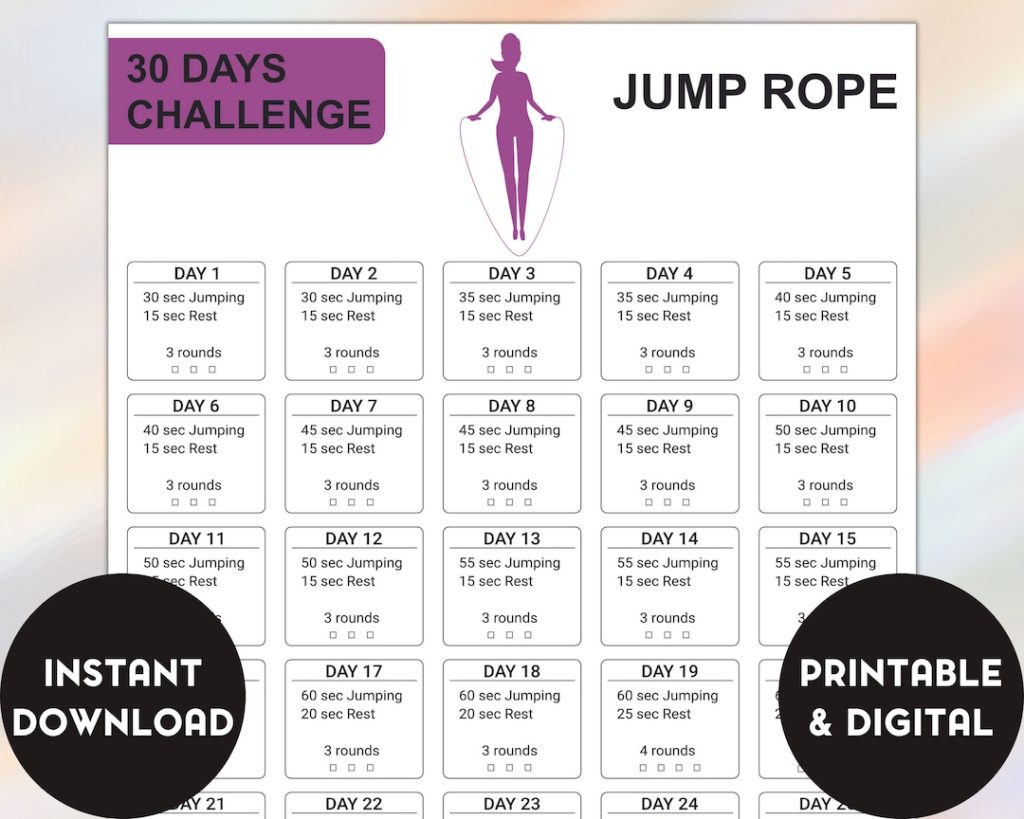
Let’s be honest. Most of us know we should move more. The intention is there, glowing brightly on a Monday morning. But by Wednesday? That motivation can fade faster than a cheap t-shirt. You’re left staring at your running shoes, feeling that familiar tug of the couch.
Here’s the deal: willpower is a finite resource. Relying on it alone is like trying to heat your house with a single match. What you need is a system—a structure that makes the hard thing feel, well, fun. That’s where gamified fitness challenges come in. They’re not just a trend; they’re a psychological hack, turning the solitary grind of exercise into an engaging game you actually want to play.
Why Gamification Works: It’s All in Your Head
Gamification taps into core human drives we all have: competition, achievement, collaboration, and that sweet, sweet hit of reward. When you apply game-like elements—points, badges, leaderboards, quests—to fitness, you’re not just working out. You’re on a mission.
Your brain releases dopamine not just when you finish a workout, but when you hit a new step goal, unlock a “Weekend Warrior” badge, or see your name climb a leaderboard. That positive reinforcement loop is powerful. It transforms “I have to” into “I get to.” Suddenly, consistency isn’t a chore; it’s how you level up.
The Core Mechanics of a Great Fitness Challenge
Not all challenges are created equal. A good one feels like play. A bad one feels like another chore with extra steps. So, what makes the difference? Well, it’s usually a mix of a few key elements:
- Clear Goals & Progression: Think “complete 30 workouts in 60 days” or “walk 150,000 steps this month.” It’s specific, measurable, and broken into chunks. You can see your progress bar fill up, literally or figuratively.
- Feedback & Rewards: Instant feedback is crucial. That’s the vibration from your watch congratulating you, the badge popping up on your app screen. The reward is the intrinsic feeling of accomplishment, sometimes paired with a real-world treat you set for yourself.
- Social Dynamics: This is a big one. Whether it’s friendly competition or team-based challenges, the social layer adds accountability and shared excitement. It’s the difference between running alone and being part of a virtual race.
Types of Gamified Challenges to Try
Okay, so you’re sold on the idea. But what does this actually look like in practice? Honestly, the options are vast, from high-tech to no-tech. Here are a few formats that work incredibly well for building consistent fitness habits.
1. The Solo Quest (With a Twist)
Perfect for those who dislike direct competition. You set a personal campaign. Maybe it’s “Run 100 Miles in a Season” or “Hold a 3-Minute Plank by Year’s End.” You track your progress on a cool poster or in a dedicated app. The gamification comes from checking off milestones and perhaps treating yourself at certain tiers—new gear at 50 miles, a massage at 100. It’s your own personal hero’s journey.
2. The Team-Based Showdown
This leverages camaraderie and shared purpose. You and a few friends, or coworkers, form teams. Points are earned for minutes exercised, workouts logged, or steps taken. The team aspect is magic—you’re no longer just letting yourself down if you skip a day; you’re letting your squad down. That positive peer pressure is a remarkably effective motivator.
3. The App-Driven Universe
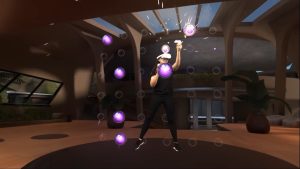
Fitness apps are the kings of gamification. They’ve built entire worlds around movement. You might be completing quests to defeat monsters by running in the real world, or competing in global leaderboards for cycling metrics. The immersion is total, and the feedback loops are expertly designed to keep you coming back. It’s fitness, sure, but it feels like entertainment.
Crafting Your Own Challenge: A Simple Blueprint
You don’t need a fancy app to start. You can design a simple, effective gamified fitness challenge right now. Here’s a quick, no-fuss blueprint.
| Element | Your Plan |
| The “Game” | e.g., “The Consistency Crusade” |
| Duration | 4 weeks (long enough to form a habit, short enough to stay focused) |
| Core Action | e.g., 3 workouts per week, minimum 20 minutes each |
| Scoring | 1 point per workout. Bonus point for a weekend workout. |
| Milestones | 4 pts = “Rookie” status. 8 pts = “Veteran.” 12 pts = “Elite Champion.” |
| Rewards | At “Veteran”: New workout playlist. At “Elite Champion”: That fancy fitness gadget you’ve eyed. |
| Social Layer | Text a friend your daily “Mission Complete” or post in a small group chat. |
The key is to keep it simple at first. Overcomplicating it is the fastest way to abandon the game. Start small, make it visually trackable (a calendar with gold stars still works wonders), and attach meaningful, non-food rewards to your milestones.
The Pitfalls to Avoid (Because It’s Not All Fun & Games)
Gamification is a tool, and like any tool, it can be misused. The goal is sustainable health, not burnout or injury. Watch out for these common traps:
- Chasing points over form: Don’t sacrifice technique just to log more reps or faster miles. The game should enhance your fitness, not compromise it.
- Comparison despair: On leaderboards, someone will always be “better.” Use it as inspiration, not a source of defeat. Your only real competition is your past self.
- The all-or-nothing mindset: Missing a day doesn’t mean you “lost.” A good challenge design allows for life to happen. The game should invite you back in, not lock you out for failing once.
In fact, the most successful challenges often have built-in “joker” days or redemption quests. Because, you know, life.
The Long Game: From Challenge to Lifestyle
So, what happens when the challenge ends? That’s the million-dollar question. The true win isn’t the final badge; it’s the neural pathways you’ve built. The habit of lacing up your shoes. The association of movement with achievement and fun.
The best gamified fitness challenges act as a bridge. They carry you from the shaky ground of shaky motivation to the solid foundation of automatic routine. Once you’re there, you might not need the points and badges as much. The activity itself becomes its own reward—the energy, the clarity, the strength you’ve gained.
But until then? Play the game. Design a quest. Recruit your allies. Turn your fitness journey into an adventure you’re genuinely excited to continue each day. The metrics are just numbers. The real victory is in showing up, day after day, and remembering that movement can—and should—be a source of joy.