
Acne and Hormonal Birth Control Interactions for Adult Women
6 min read
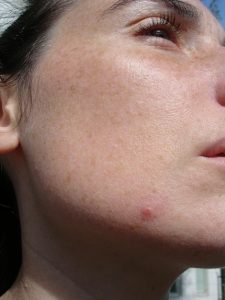
Let’s be real for a second. You’re in your late twenties, maybe your thirties or forties. You’ve got a career, a routine, maybe a kid or two. And yet… here you are, staring at a zit on your chin like it’s 2004 all over again. Adult acne is a special kind of frustrating. And if you’re on hormonal birth control, the plot thickens. Does your pill help? Hurt? Both? Honestly, it’s a tangled web. Let’s untangle it together.
The Hormonal Rollercoaster: Why Your Skin Acts Up
First, a quick biology refresher. Your skin’s oil glands are super sensitive to androgens—those “male” hormones like testosterone that we all have. When androgens spike, your pores go into overdrive, producing excess sebum. That sebum mixes with dead skin cells, clogs pores, and bam—acne vulgaris, the stubborn kind that lives on your jawline and chin.
For adult women, this hormonal dance is often triggered by stress, PCOS, perimenopause, or—you guessed it—birth control. The pill, patch, ring, or IUD can either calm the storm or fan the flames. It all depends on the type of progestin you’re using.
How Birth Control Can Clear Acne (The Good Stuff)
Combined hormonal contraceptives—those with both estrogen and progestin—are actually FDA-approved for acne treatment. Here’s the deal: estrogen suppresses androgen production. Less androgen means less oil. Less oil means fewer breakouts. It’s a domino effect, but in a good way.
Three pills are specifically approved for acne: Ortho Tri-Cyclen, Estrostep, and Yaz. They contain progestins like norgestimate or drospirenone, which have low androgenic activity. In plain English? They don’t mess with your skin the way older pills did.
But here’s the catch—results take time. You might see improvement in 3 to 6 months. And for some women, the first few weeks can actually cause a “purge” where acne gets worse before it gets better. It’s like your skin is throwing a tantrum before settling down.
When Birth Control Makes Acne Worse (The Not-So-Good Stuff)
Not all birth control is skin-friendly. Some progestins—like levonorgestrel, norethindrone, and desogestrel—have higher androgenic activity. They can mimic testosterone and actually trigger breakouts. This is especially common with progestin-only methods like the mini-pill, the implant (Nexplanon), or hormonal IUDs (Mirena, Kyleena).
I’ve heard women say their skin was flawless until they got a Mirena. Then, suddenly, cystic acne on the jawline that felt like tiny, angry volcanoes. It’s not in your head. Studies show that levonorgestrel-releasing IUDs can increase acne risk in some women, especially within the first year.
Progestin-Only Methods: A Quick Breakdown
| Method | Progestin Type | Acne Risk |
|---|---|---|
| Mini-pill (e.g., Micronor) | Norethindrone | Moderate |
| Implant (Nexplanon) | Etonogestrel | Low to moderate |
| IUD (Mirena, Kyleena) | Levonorgestrel | Moderate to high |
| IUD (Skyla, Liletta) | Levonorgestrel (lower dose) | Low to moderate |
| Depo-Provera shot | Medroxyprogesterone | Variable |
That said, every body is different. Some women thrive on Mirena with zero breakouts. Others… not so much. It’s a gamble, and your dermatologist might not tell you that upfront.
The PCOS Connection: A Special Case
If you have Polycystic Ovary Syndrome (PCOS), your body naturally produces excess androgens. That’s a recipe for persistent, cystic acne. For many women with PCOS, hormonal birth control is a lifeline. It regulates your cycle, lowers androgen levels, and can dramatically improve skin.
But—and this is a big but—not all pills are equal. Pills with drospirenone (like Yaz or Yasmin) are often preferred because drospirenone has anti-androgenic properties. It’s like a double whammy: it prevents pregnancy and fights acne at the source. Some studies even show it’s more effective for acne than other pills.
Still, PCOS is complex. You might need to pair birth control with other treatments like spironolactone or topical retinoids. And yes, that means more appointments, more prescriptions… but clearer skin is possible.
What About Stopping Birth Control? The “Post-Pill” Breakout
Here’s a scenario that’s way too common: You’ve been on the pill for years. Your skin is clear. Then you decide to go off it—maybe to try for a baby, maybe because of side effects. And suddenly, your face erupts. It’s called post-pill acne, and it’s real.
When you stop the pill, your ovaries wake up and start producing androgens again. Your skin, which had been artificially calmed, freaks out. This can last for months. It’s not permanent, but it feels like it when you’re in the thick of it.
Pro tip: Don’t quit cold turkey without a plan. Work with your doctor to taper off or start a topical regimen beforehand. Your future self will thank you.
Practical Tips for Managing Acne on Birth Control
Alright, so you’re on the pill and your skin is acting up. Or you’re considering starting one. What can you actually do?
- Track your cycle and breakouts. Use an app or a journal. Notice if acne flares during the placebo week (when hormone levels drop). That’s a clue.
- Talk to your doctor about switching. If you’re on a high-androgen progestin, ask about switching to one with drospirenone or norgestimate. It’s a simple change that can make a huge difference.
- Don’t rely on birth control alone. A solid skincare routine helps. Think gentle cleanser, non-comedogenic moisturizer, and a retinoid at night. But check with your derm—some retinoids interact with birth control.
- Watch for other side effects. Birth control can affect your mood, libido, and even your gut. Acne might be just one piece of the puzzle. If you’re unhappy overall, it’s okay to explore other options.
- Be patient. Seriously. Hormonal changes take weeks or months to show. Don’t toss your pill pack after two weeks of breakouts.
The IUD Dilemma: Copper vs. Hormonal
If you’re considering an IUD, you might wonder about the copper one (Paragard). It’s hormone-free, so it won’t directly cause acne. But it can make periods heavier and crampier. For some women, that trade-off is worth it. For others, the hormonal IUD’s lighter periods are a bigger win—even if it means a few zits.
There’s no universal right answer. It’s about what bothers you less: acne or heavy bleeding? That’s a personal call.
When to See a Dermatologist
If your acne is painful, cystic, or leaving scars, it’s time to bring in the pros. A dermatologist can prescribe spironolactone (an androgen blocker), topical antibiotics, or even isotretinoin (Accutane) for severe cases. Just know that isotretinoin and birth control have a complicated relationship—you’ll need to be on two forms of contraception due to the risk of birth defects.
And honestly? If your gynecologist brushes off your acne concerns, get a second opinion. You deserve a provider who takes your skin seriously.
The Big Picture: It’s About Balance
Acne and birth control aren’t enemies—they’re more like frenemies. Sometimes they work together beautifully. Other times, they clash. The key is knowing your own body, asking the right questions, and not settling for “just deal with it.”
You’re an adult woman. You’ve got enough on your plate without fighting a losing battle with your face. Whether you choose the pill, the IUD, or something else entirely, remember: clear skin is possible. It just might take a little trial and error. And that’s okay.
So go ahead—book that appointment. Ask about progestin types. Track your breakouts. And give yourself grace. Hormones are messy, but you’re tougher than any breakout.